
A second mortgage can be a great way to access funds when you need to make a large purchase. Taking on a second mortgage is a significant financial commitment, though. If you’re considering getting a second mortgage, you should understand how the loan works and what the pros and cons are. You should also be aware of the differences between a traditional second mortgage and a silent second mortgage.
What Is A Second Mortgage In Short?
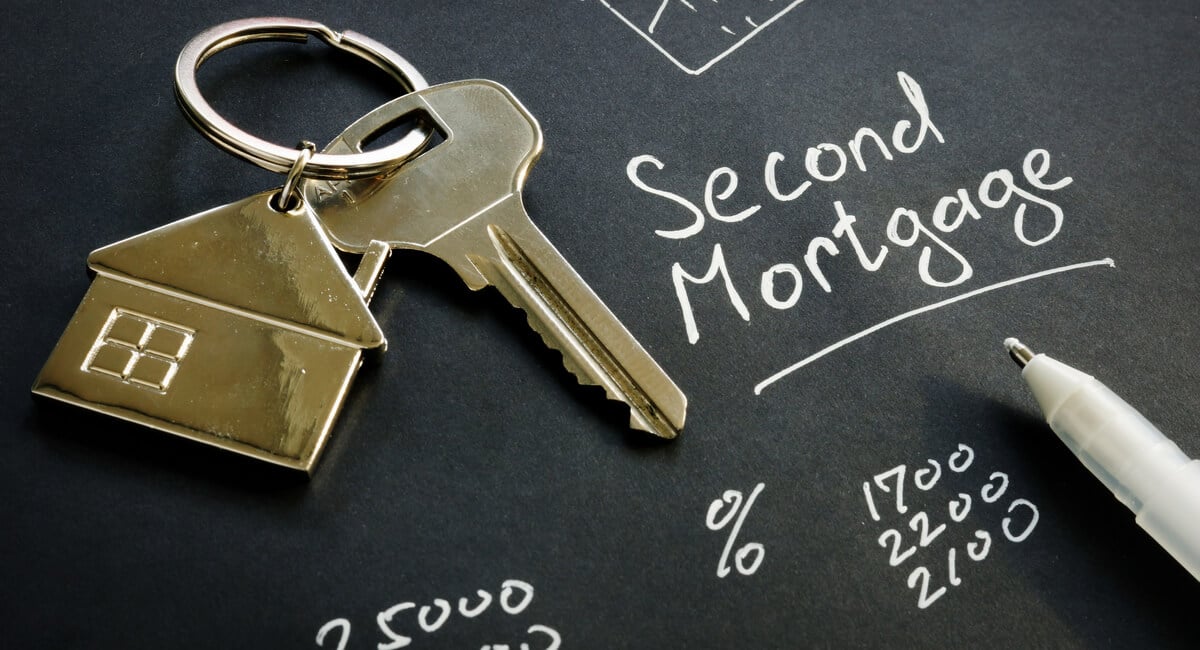
A second mortgage is a loan taken out against your home’s equity when you already have an existing mortgage. Homeowners take out second mortgages for a number of purposes. The lump sum can be used to fund home upgrades, medical bills, college tuition, or any other large expense.
Like your original mortgage, your second mortgage will have a monthly repayment plan with either a fixed or variable interest rate. If you default on your loan payments, the first mortgage lender will receive all the proceeds from the foreclosure sale needed to pay off the original debt. Then, any additional proceeds will go to the second mortgage lender.
Second mortgages usually have specific borrowing limits. In most cases, homeowners can borrow up to 85% of the property’s value minus the existing mortgage debt. For example, for a home worth $500,000, 85% of the value is $425,000. If your remaining mortgage balance is $300,000, you could take out a second mortgage for $125,000.

Types Of Second Mortgages
The two basic types of second mortgages are a home equity loan and a home equity line of credit (HELOC). A home equity loan provides you with a lump sum of cash to be repaid in fixed monthly payments. Homeowners usually opt for a home equity loan when they need a large amount of money up-front for a major purchase.
A HELOC is a line of credit that homeowners can draw from for several years. The lifespan of the loan can vary, but most allow homeowners to withdraw funds for 10 years. You only pay interest on the amount that you borrow. If you repay what you’ve borrowed, you can withdraw those funds again for as long as the HELOC is open. HELOCs can be a good option if you have expenses that will span over a long period of time, such as a home renovation or college tuition.
Advantages Of A Second Mortgage
A second mortgage offers a number of advantages for homeowners who have built up enough equity. Your home is likely the largest asset you possess, and tapping into the equity allows you to fund major expenses. Additionally, interest rates on second mortgages are usually lower than rates for personal loans or credit cards because the home is used as collateral. There are also no restrictions on what you can use the funds for, and this flexibility can be very appealing.
Disadvantages Of A Second Mortgage
All debts have their downsides. Although second mortgages tend to have lower interest rates than personal loans and credit cards, their rates are usually higher than original mortgage rates. Your home is used as collateral, but the first mortgage lender has priority. This means that the second mortgage lender is taking on more risk, so they set higher rates to compensate.
Taking on a second mortgage can also put a strain on your budget. Just because you have equity in your home doesn’t mean that you can comfortably afford a HELOC or home equity loan payment. You must be sure that you can manage the monthly payments and that there is little to no risk of defaulting on either mortgage.
What Is A Silent Second Mortgage?
A silent second mortgage is completely different from a standard second mortgage, and it’s important to understand the difference. Buyers sometimes try to take out silent second mortgages when purchasing their home, but this is a fraudulent and illegal practice that can have serious repercussions.
When buying a home, you must make a down payment on the property. If you don’t have a down payment saved, you might consider taking out an additional loan to cover the costs. However, your mortgage lender will ask about the source of the down payment and will check your debt to income ratio to make sure you can afford your mortgage. When they discover that you’re taking out a loan for the down payment, they may deny your application.
To avoid this problem, some buyers take out a loan without disclosing it to their mortgage lenders. This loan often comes from a friend or family member, which means it won’t show up on a credit report. Then, the buyer tells the mortgage lender that they have the funds up-front for the down payment. In reality, they’ve taken on two debts to pay for the home.
Silent second mortgages greatly increase the risks for mortgage lenders. Buyers with silent second mortgages are usually stretched thin financially, but they don’t reveal the truth of their debts to the mortgage company. Additionally, silent second mortgages use the home as collateral. Because your first mortgage lender also uses your home as collateral, this creates a direct conflict in the event that you default on your payments.
Silent second mortgages differ from traditional second mortgages in a few key ways. Buyers take out silent second mortgages around the same time that they apply for their first mortgages. With a regular second mortgage, homeowners take out the loan after their first mortgage is approved and they’ve built up equity in the home. Most importantly, traditional second mortgages are not kept secret. Your original mortgage lender knows that you’re borrowing against your home’s equity, but they have priority on the collateral if you default.
Silent second mortgages are a form of fraud. If you’re caught taking out a silent second mortgage, you could be convicted of mortgage fraud and charged steep fines. Although this option may seem tempting when trying to buy a home, it’s always better to save up cash for your down payment or utilize down payment assistance programs.
If you have equity in your home, a standard second mortgage can be a useful borrowing option. Second mortgages are secured against your home, so they offer competitive rates but can be risky if you’re not in a comfortable financial situation. Silent mortgages, on the other hand, are a fraudulent borrowing practice that can get you in serious trouble. Before taking out any loan, you should carefully evaluate the risks and the benefits. If you’re not sure if a second mortgage is the right choice, consult with a trusted real estate expert or financial advisor.