

Selling a home for the first time can feel like a daunting project. While you may remember certain parts of the process from when you purchased your first house, your experience as a seller will be quite different. Here are 11 tips for first-time sellers:

1. Start decluttering as soon as possible.
It’s never too early to start preparing your house for the real estate market. The day you decide you want to sell your home, you can start cleaning and decluttering. Even if you don’t list your house for months or years, there are no downsides to living in a clean and organized home.
Try to sell, donate, or give away any items that you haven’t used in over a year. Not only will this make your home look more spacious and inviting to prospective buyers, but it will also make your move much easier.

2. Invest in a pre-listing inspection.
A pre-listing inspection will help you price your home accurately and get ahead of any issues that could cause a delay in closing. You can hire a home inspector to evaluate your entire house or to check out specific areas of the property that you have concerns about.
If the inspection reveals any problems with your home, you can either complete the repairs before listing the house or lower the asking price. If the inspection report looks great, you can show it off to prospective buyers.

3. Find a great real estate agent.
Working with an experienced and trustworthy real estate agent is just as important when selling your house as it is when buying one. Your agent will be your partner during every step of the process. The following are just some of the tasks that your real estate agent will support you with:
- Setting a listing price
- Staging your home
- Taking photos and videos
- Writing a listing description
- Scheduling and hosting open houses
- Reviewing offers
- Negotiating with buyers
- Preparing documents for the sale
Try to find an agent who has a lot of experience selling homes in your location. They’ll know how to price your home competitively and market it to prospective buyers.

4. Curb appeal matters.
Whether looking at listing photos or pulling up to an open house, the exterior of your home is the first thing buyers will see. Boosting your property’s curb appeal is a great way to make a strong first impression.
Consider hiring a professional landscaper to get the lawn and garden in perfect condition before you list your house. You should also declutter your home’s exterior just like you decluttered the interior.
5. Get professional photos.
High-quality listing photos are absolutely essential in today’s real estate market. Professional real estate photographers know the perfect angles and lighting to make your home look its best. Some agents are skilled photographers themselves, and others partner with professional photographers. Either way, you should make sure the photos perfectly showcase all your home has to offer.
6. Price your home carefully.
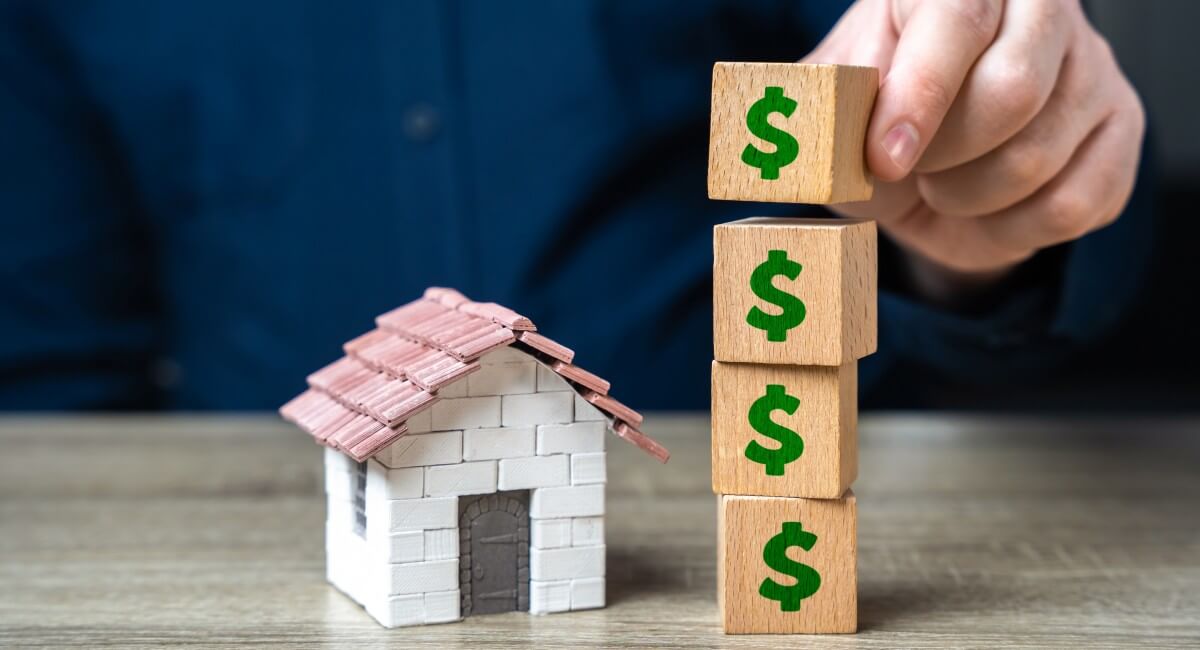
Pricing your home requires careful strategizing. While it can be tempting to set a high listing price, asking too much could turn potential buyers away. Then, if you have to decrease the listing price, buyers may think that the price dropped because something is wrong with the home. On the other hand, asking too little could make buyers think your home is worth less than it really is.
A skilled real estate agent will take the lead on this task. Your agent will conduct a market analysis of similar homes that have sold recently in your area to get a price range. If your home has any special features or if it needs some repairs, you and your agent can adjust the price accordingly.

7. Be ready for last-minute showings.
Time is of the essence for both buyers and sellers. Once your home is on the market, a buyer may want to schedule a showing that same day. Your house should always be clean and ready for visitors, and you should have a plan for getting your family and pets out of the house for showings. The more flexible you can be with scheduling showings, the more prospective buyers you’ll attract.
8. Be prepared to negotiate.
If you don’t live in an extremely hot seller’s market, the offers you receive may not include everything you had hoped for. Be prepared to negotiate on the sale price or to accept some buyer contingencies.
Your agent can help you determine which points are best to negotiate on. For example, you might be firm on the selling price but willing to pay some of the buyer’s closing costs. Remember that the sale price is only one part of the equation, too. Other aspects of the offer can make a huge difference, so you should always look at the big picture.
9. Delays will happen.
On average, closing happens 30 to 60 days after a home goes under contract. However, it’s rare to actually close on or before the closing date listed on your purchase agreement. If the appraisal, inspection, title search, or other tasks get delayed, the closing date is likely to be pushed back.
Sellers sometimes find themselves in a difficult situation when their closing date is delayed and they’re relying on the proceeds of the sale to fund their move or their next home purchase. Try to create a contingency plan in case you don’t close on the sale as soon as you’d hoped.

10. Know what costs you’re responsible for.
Unfortunately, not all of the sale proceeds from your home will go directly into your pocket. Knowing what you’ll have to pay during closing will help you financially prepare.
Sellers almost always pay the commission for both real estate agents, which typically amounts to 3% to 6% of the home’s purchase price. Both the seller and the buyer will pay transfer taxes, too. Depending on your purchase agreement, you might also pay for some of the buyer’s closing costs.
11. You can’t control everything.
Selling a house is a long and complicated process that involves many other people and agencies. Unfortunately, even if you do everything right as the seller, the sale could still fall through. The buyer might back out of the deal, the mortgage lender may deny their application, or a problem with the title could tank the sale.
Accepting that some of the process is out of your co11. You can’t control everything.ntrol will give you more peace of mind as you navigate this difficult process. Focus on the parts of the process you can control, and remember that there are always buyers on the market. If this deal falls through, another one will come along.
Selling your house is no easy feat, but preparing in advance and working with trusted professionals will help you get through the process with as little stress as possible. Start preparing early, be strategic with your pricing and marketing, and stay flexible as the plans change. Before you know it, your closing date will arrive, and you’ll be able to move on to the next chapter of your life.