

When making an offer on a home, price is just one consideration. The other terms of the agreement can be just as important as the sale price. As you and your agent craft your offer, you should discuss adding contingencies to the contract. Contingencies serve as a safety net, allowing you to exit the deal if certain steps of the process don’t go according to plan.
How Contingencies Work
Contingencies are conditions included in a real estate contract that must be met for the sale to happen. Some contingencies protect the buyer, and some protect the seller. If a contingency isn’t met, the buyer or seller can walk away from the deal without penalties.
When an offer on a home is accepted, the buyer pays an earnest money deposit, typically 1% to 2% of the purchase price. This communicates to the seller that they’re serious about the sale. If the buyer and seller close on the house, the earnest money is applied to the down payment and closing costs.
If the buyer backs out of the sale, they can lose their earnest money. However, if the buyer’s reason for backing out is covered by a contingency, they can receive their earnest money back.
Eight Types of Contingencies;

1. Home Inspection Contingency
The home inspection contingency is one of the most common contingencies included in real estate contracts. Any house could have hidden issues that you can’t see during a showing, so the inspection contingency protects you in case the property is in worse condition than you expected.
If your offer includes an inspection contingency, you’ll have a certain amount of time to hire an inspector to evaluate the property. In your contract, the contingency clause should outline exactly what will happen if the results of the inspection aren’t favorable. For example, your contract could allow you to renegotiate the deal or back out entirely if the repairs total more than a certain dollar amount.
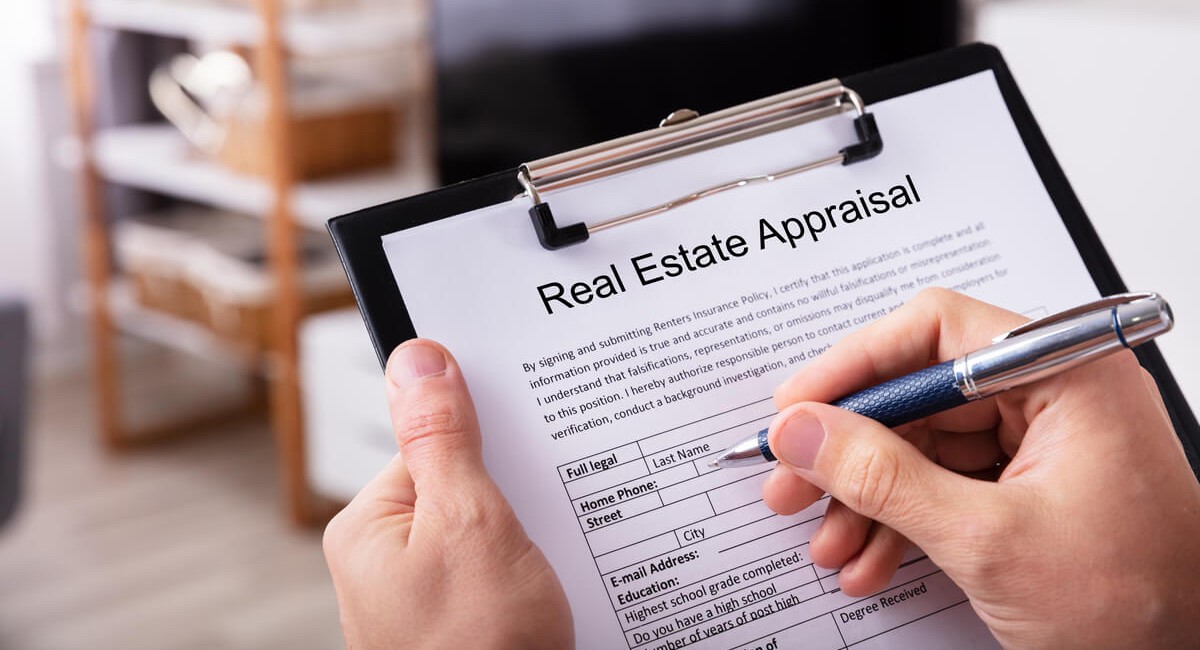
2. Appraisal Contingency
If you’re using a mortgage to purchase your home, your lender will require an appraisal. The purpose of the appraisal is to assess the value of the house so that your lender doesn’t loan you more money than the property is worth. This protects the lender in the event of a foreclosure because it ensures they can sell the house for enough to recoup the money they loaned you.
If the home appraises for less than the purchase price, your lender won’t approve your mortgage. An appraisal contingency allows you to exit the deal and receive your earnest money back in this situation. The contingency could also allow you to negotiate a lower purchase price with the seller so that the loan amount is satisfactory to the mortgage lender.

3. Financing Contingency
A financing contingency makes the deal dependent on the buyer securing a mortgage for the home. Most buyers will be pre-qualified or pre-approved for a loan, but this doesn’t guarantee their mortgage application will be approved.
When your contract includes a financing contingency, you can receive your earnest money deposit back if your financing falls through. The clause should outline the amount of the loan and the length of time you have to secure financing.

4. Sale of Current Home Contingency
If you’re selling your current house at the same time you’re purchasing the new one, you’re operating on a tight and risky timeline. This can be especially difficult if you’re moving long-distance or are using the proceeds from your home sale to make your down payment.
The home sale contingency allows you to exit the deal if you haven’t sold your current property by a specific date. The contingency usually includes a minimum sale price requirement for your current home, too.

5. Home Insurance Contingency
If you live in an area with frequent wildfires, hurricanes, earthquakes, or other natural disasters, getting a home insurance policy is becoming increasingly difficult. Almost all mortgage lenders require that borrowers get home insurance. Even if you buy your house in cash, purchasing an insurance policy is always a wise choice.
The insurance contingency protects you in case no insurance providers will offer you a policy. If you can’t get homeowners insurance, you can back out of the sale with no penalties. Although it’s rare for home buyers to be in this position, there are certain areas that insurance companies consider to be too risky to cover.
6. Title Contingency
The title search is a critical step in the home selling process. To ensure that no other parties can make a claim to the property, a title company will conduct a thorough search of public records. If the search reveals that someone else has a claim or lien on the home, the seller is responsible for resolving it.
A title contingency usually states that the buyer can walk away from the deal if the seller has not resolved the title issues before the closing date. Title issues can create huge problems during a home sale, so adding this contingency to your contract provides a valuable layer of protection.
7. HOA Contingency
An HOA can make or break a buyer’s decision to purchase a property. If you aren’t able to read the HOA’s rules and restrictions before you make an offer, consider including an HOA contingency in your offer. This allows you to gather information about the HOA and back out of the sale if you find that the restrictions don’t align with your lifestyle.

8. Suitable Housing Contingency
Home sellers need to find somewhere to live after the closing date, whether they purchase a new home or move into a rental. The suitable housing contingency, also known as the home of choice contingency, protects sellers in case they can’t find a satisfactory place to live. Sometimes, the clause allows the seller to exit the deal entirely. In other cases, the clause allows the closing date to be delayed.
Should You Include Contingencies in Your Offer?
Most offers contain at least one or two contingencies. Home inspection and appraisal contingencies are especially common because they provide such valuable protection to buyers.
Mortgage lenders sometimes require contingencies to be included in an offer as well. Most lenders require borrowers to have home insurance, so they may require a home insurance contingency to be included in the contract.
On the other hand, including too many contingencies can make your offer less appealing to sellers. In a competitive market, you want your offer to be as easy and low-risk for the seller as possible. If there are a dozen different ways you could back out of the deal, the seller may feel like your offer is too risky for them.
To choose the right contingencies, you need to consider the market conditions in your area and how much risk you’re willing to accept as a buyer. You and your agent should work together to create an offer letter that includes the necessary contingencies while still appealing to the seller.