
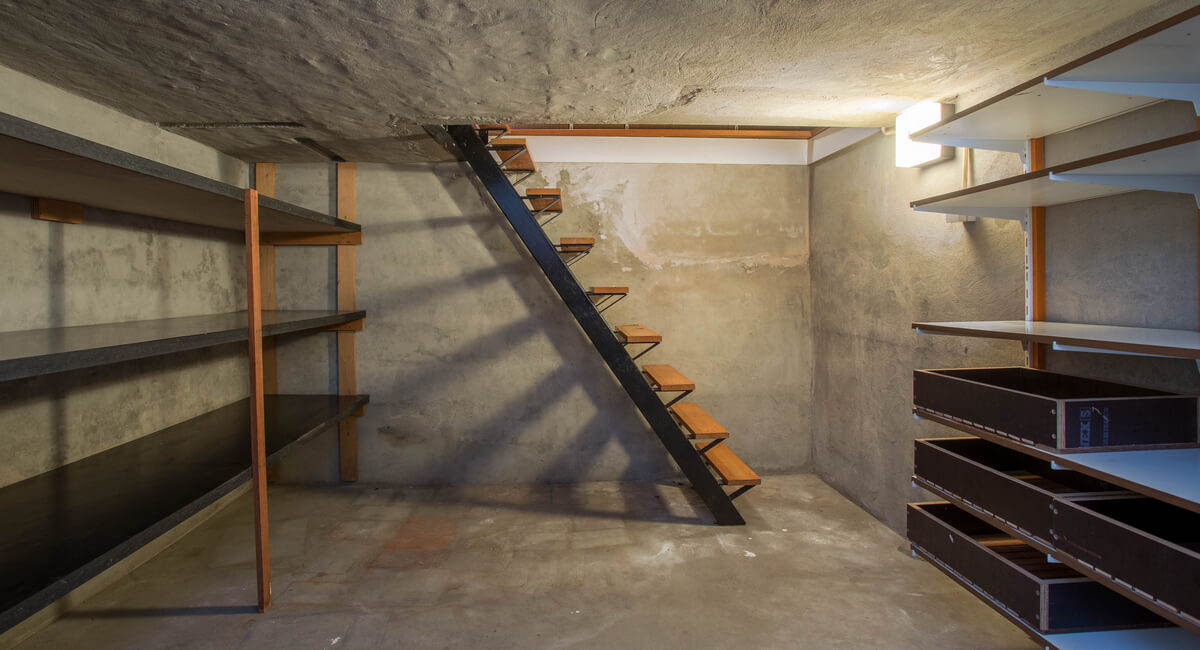
A flooded basement can be a terrible experience for homeowners. Floods can damage your house’s foundation, cause thousands of dollars in property destruction, and leave your home vulnerable to mold and mildew. Dealing with the aftermath of a basement flood is time-consuming, expensive, and exhausting.
Basement floods happen for a number of reasons. Heavy rainfall can result in flooding, especially if your home sits near a river or at the bottom of a hill. Poor landscaping design can contribute to basement flooding as well. In some cases, plumbing catastrophes like burst pipes or sewer backups cause floods. Putting preventative measures in place to avoid all of these issues will help protect your basement and put your mind at ease. Here are 10 tips to avoid a basement flooding disaster:
1. Install a Sump Pump
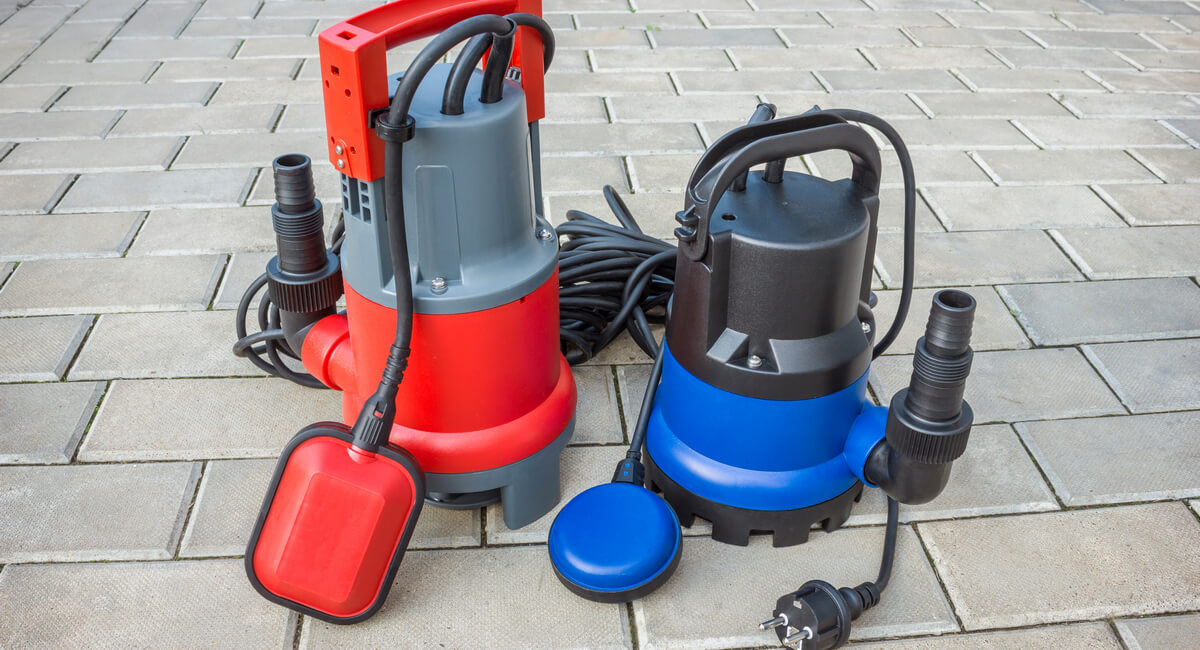
A sump pump is one of the most reliable ways to prevent flooding. The pump sits in a pit in your basement and turns on when the water rises to a certain level. Then, the pump sends the water out of the basement and away from the home’s foundation through a pipe that typically connects to a storm drain. Traditional sump pumps are powered by electricity, but you can also install a battery backup sump pump that will keep working if the power goes out. This is especially important if you live in an area that experiences heavy storms with power outages.
2. Install a French Drain
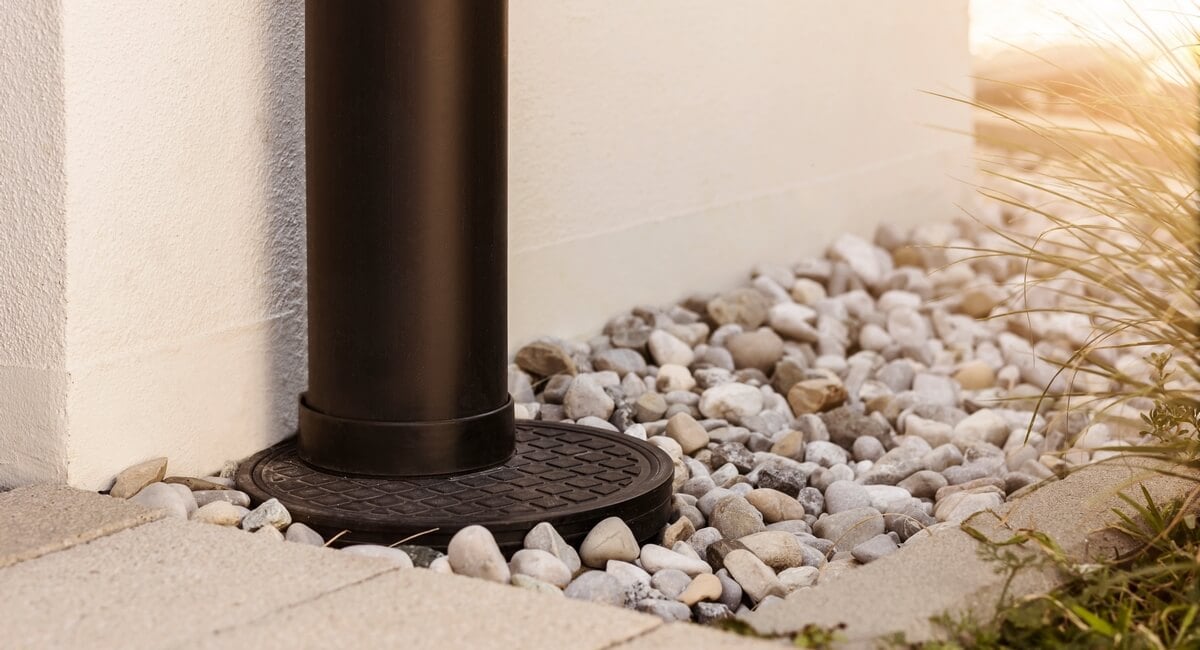
A French drain prevents water from seeping into your basement and damaging the foundation of your house. The system involves a perforated pipe placed inside a gravel-filled trench. The gravel acts as a filtration system to allow water to seep into the pipe while preventing debris from entering. Then, the pipe redirects water away from the home. The pipe usually leads to the sump pit so that the sump pump can propel the water to a storm drain.

3. Dispose of Waste Properly
Clogged pipes are a common cause of residential sewage backups, which is the worst nightmare for many homeowners. You can reduce the risk of a sewer line blockage by disposing of all kitchen and bathroom waste correctly. In the kitchen, avoid dumping fats, oils, and cooking grease into the sink. These ingredients will cool and harden inside the sewer pipes, which can lead to a full blockage over time. In the bathroom, make sure all wipes and hygiene products are placed in the trash and not flushed down the toilet. Even wipes that are advertised as “flushable” can block the sewer lines.
4. Maintain Your Plumbing and Septic Systems
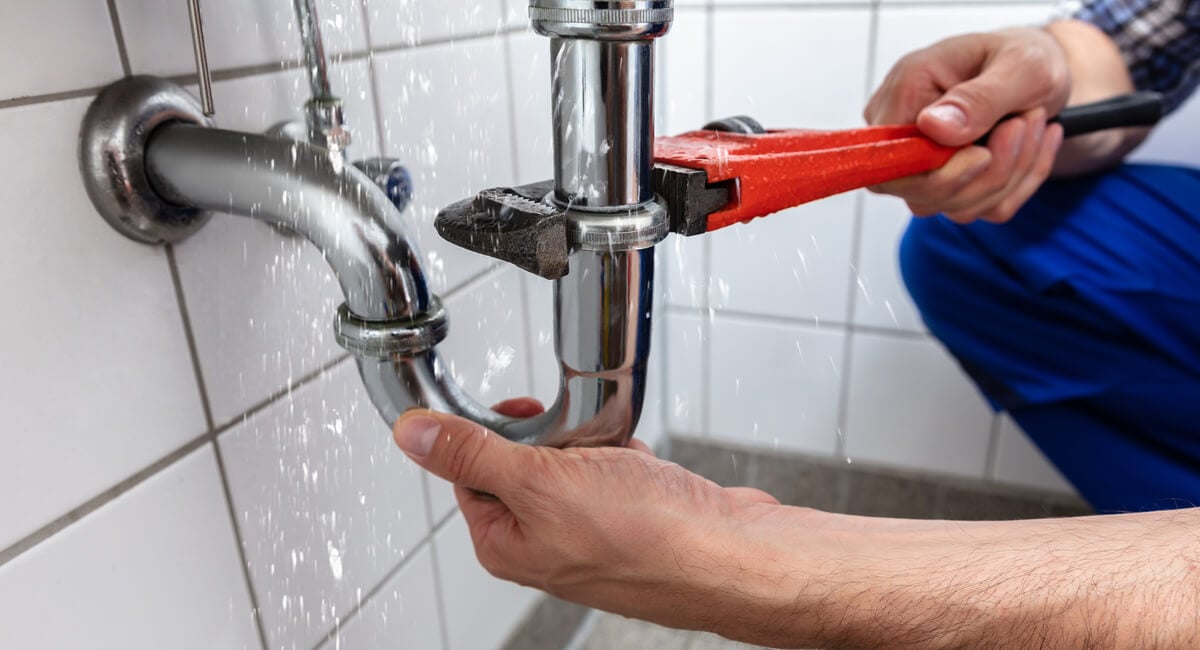
Keeping your home’s plumbing system in good condition is one of the best things you can do to prevent a plumbing catastrophe. If you notice any small leaks, fix them as soon as possible so they don’t develop into a larger issue. You should also have the sewer lines cleaned immediately if you notice any signs of a clog. If your home has a septic system, have the tank pumped regularly to keep it in good working condition.
5. Install a Backwater Valve
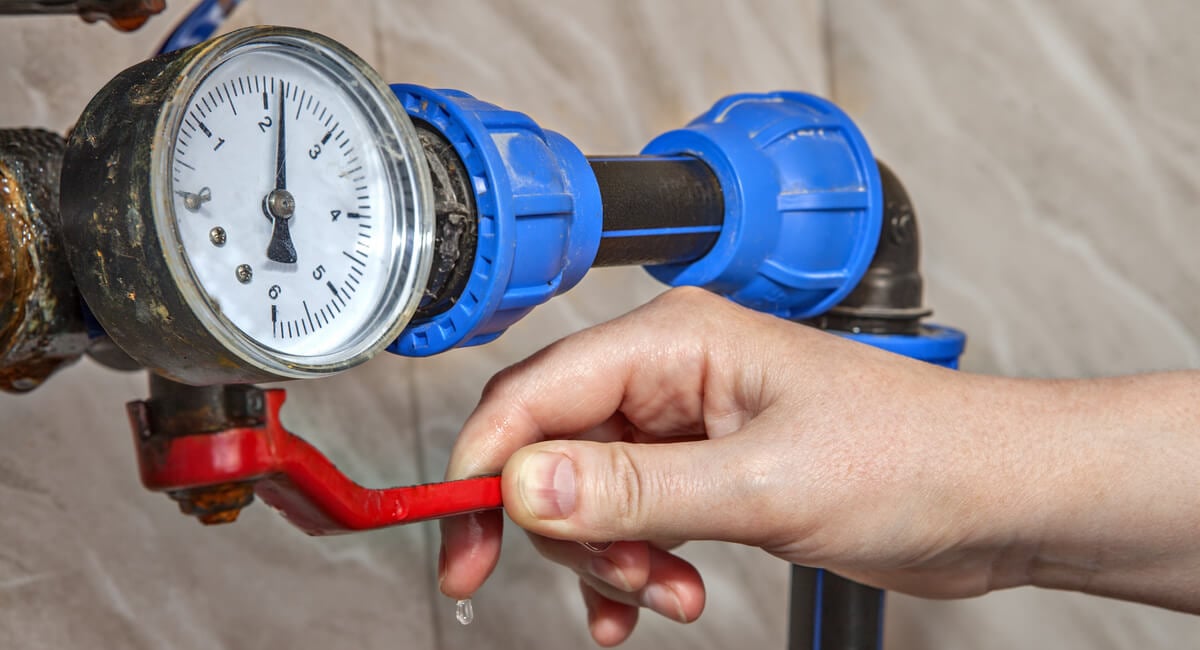
A backwater valve prevents stormwater and sewage from flowing into your house in the event of a sewer backup. The valve opens to let wastewater flow away from your home, but it closes if the wastewater is flowing toward it. Most newer homes already have backwater valves, and some municipalities require them. If you’re not sure whether your house has one, look around the floor of your basement near the sump pump. To keep the valve in good working condition, flush it with water every few months to clear away the debris.
6. Maintain the Gutters
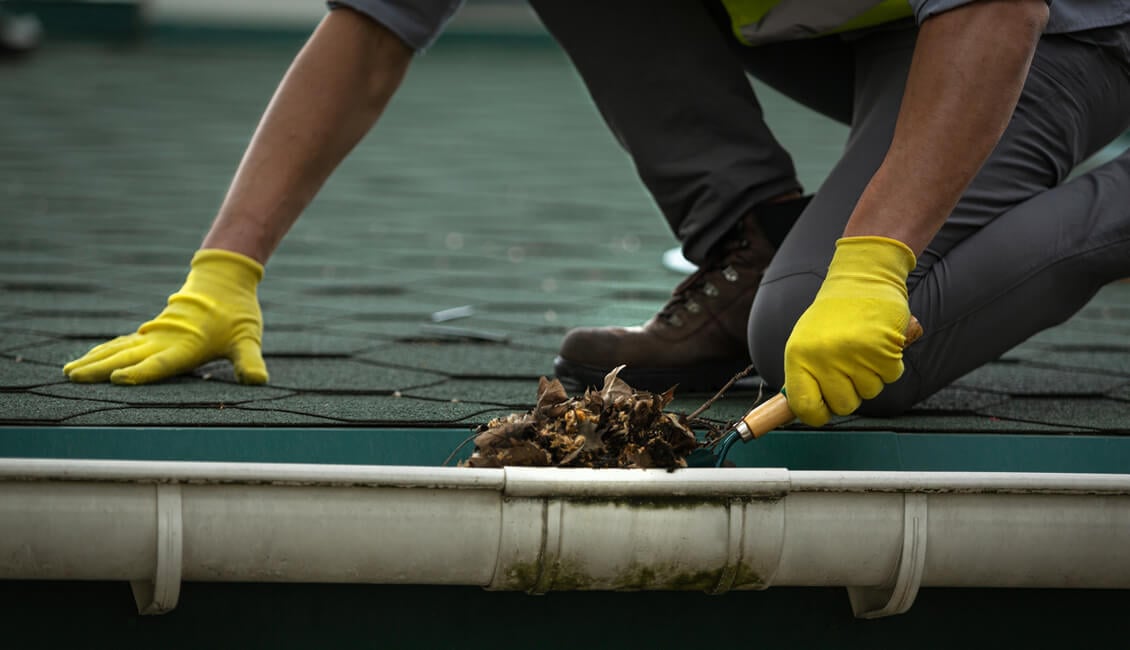
Your gutters direct rainwater away from your home, but if they’re clogged, the water may accumulate around your foundation and leak into the basement. Gutters can easily get clogged with wet leaves, sticks, dirt, and other debris, so you should clean them twice per year. The downspouts should be positioned so that they discharge water at least three feet away from your home. To further reduce your risk of flooding, you could install downspout extensions that divert the water even farther away.
7. Seal Cracks in the Foundation
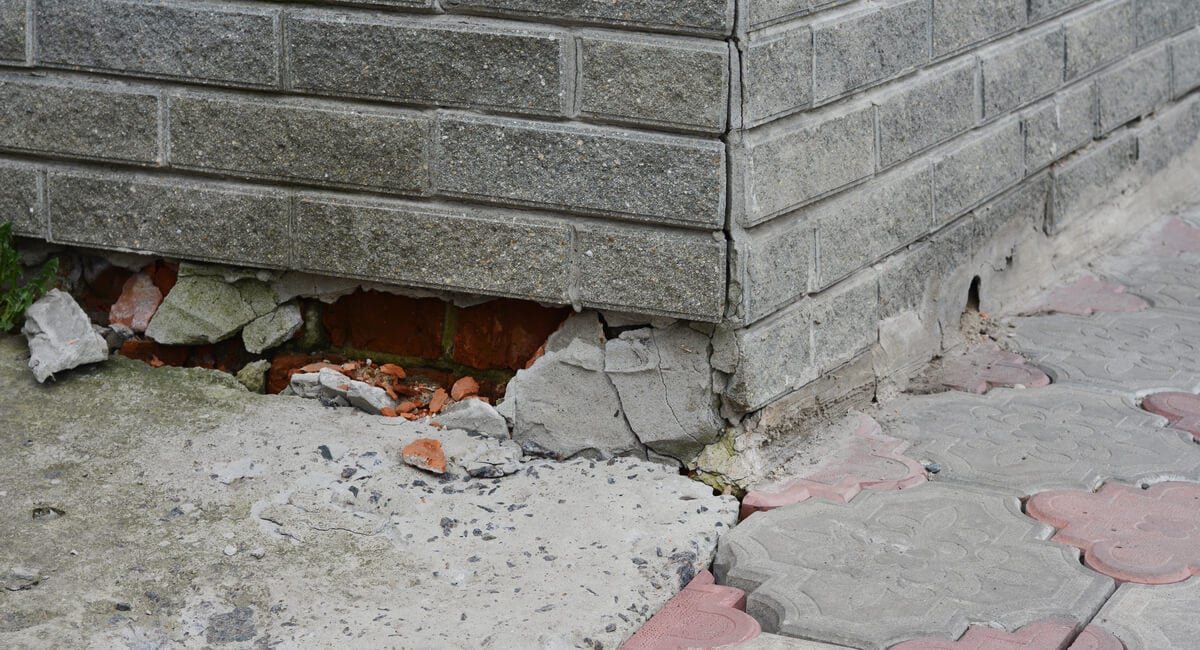
Even small cracks in the foundation of your home can let water in. If you have water in your basement and you’re not sure why, a cracked foundation may be the culprit. Fortunately, small cracks in a concrete foundation are easy to seal with epoxy or urethane caulk. Larger cracks, however, may need to be repaired by a professional.
8. Grade Your Lawn
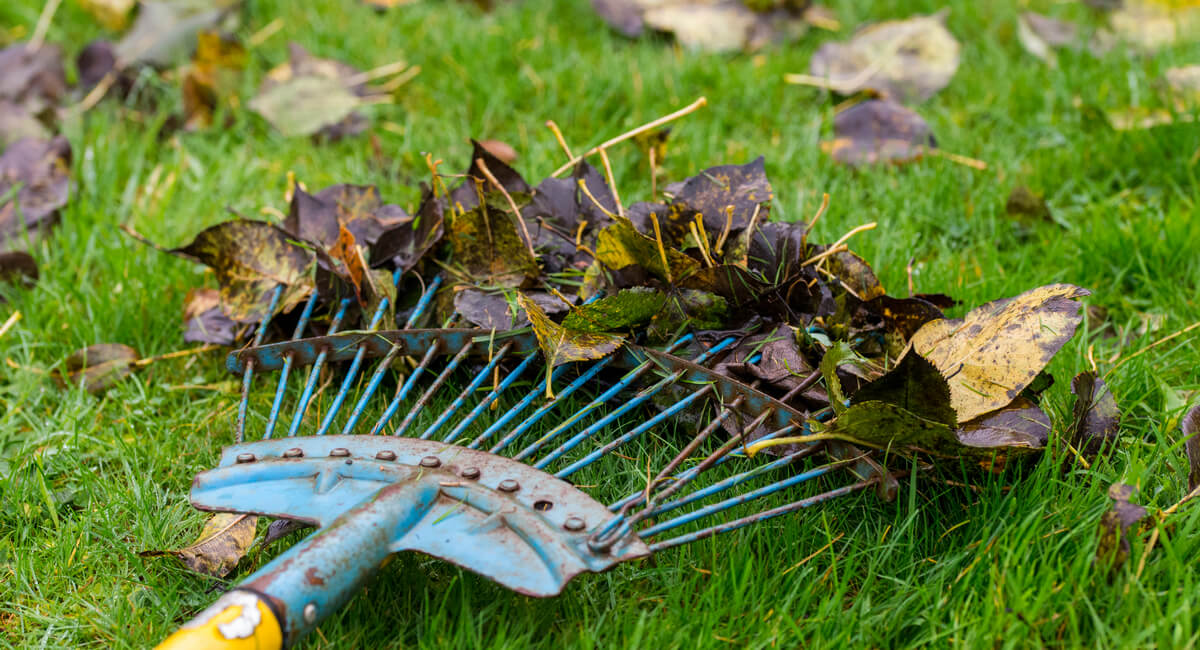
An improperly graded lawn greatly increases your risk of a basement flood. If the yard slopes toward your house, water will flow toward the foundation and into the basement. Generally, a lawn should drop about one inch per foot that you move away from the home. If your yard only needs a slight adjustment to its grading, you may be able to complete the project yourself by adding soil to increase the slope. If the lawn needs a significant change to its slope, though, you should contact a professional landscaper.
9. Keep Belongings Off the Floor
Storing your belongings off the floor may not prevent flooding, but it will reduce the amount of damage you suffer if a flood does occur. If possible, keep your most important possessions on top of desks or shelves. All electronics should be stored off the ground, too. Wall-mounted hooks and ceiling-mounted storage bins are great options for protecting your belongings from flooding. If you do have to keep items on the floor, store them in tightly sealed waterproof containers.

10. Get Flood Insurance
If you live in a high-risk area for flooding, you should be fully insured no matter how many preventative measures you put in place. Most homeowners insurance policies cover water damage from burst pipes or other maintenance emergencies. Unfortunately, they usually do not cover flood damage from storms, surging rivers, or oversaturated soil. You can purchase a separate flood insurance policy to cover damage to your house and belongings in the event of a flood. If your region is prone to flooding, your mortgage lender may even require you to purchase flood insurance.
Although extreme weather events and maintenance disasters can feel unpredictable, you can take control by floodproofing your home and basement. Sump pumps, French drains, backwater valves, and gutters will all keep water away from your home as long as they’re in good working condition. Preventing or repairing clogs and leaks in your plumbing system can help you avoid a flood, too. By focusing on these preventative maintenance projects, you can reduce your risk of an expensive and devastating basement flood.