
Flooding is the most common natural disaster in the United States. Hurricanes, storm surges, snowmelt, dam overflows, and other extreme situations can quickly lead to flooding emergencies. While some regions are much more prone to flooding than others, every home carries at least some risk.
Losing your home and your belongings to flooding can be completely devastating. If you become the victim of a flood, you may find yourself displaced from your home and on the hook for tens of thousands of dollars in repairs. Because a regular homeowners insurance policy doesn’t cover flood damage, anyone living in a high-risk area should protect themselves with a flood policy. Even if your home’s risk of flooding is very low, flood insurance can be a valuable safeguard. You should understand how flood insurance works, what it does and doesn’t cover, and what costs you can expect.

What Is Flood Insurance?
Flood insurance is financial coverage for damage caused to your home or belongings by flooding. Most types of flood damage are not covered by your traditional homeowners insurance policy. Your homeowners insurance might cover water damage from a burst pipe, but it doesn’t cover losses from storms, melting snow, a dam failure, or other major events. Therefore, it’s necessary for those living in high-risk areas to purchase a separate flood insurance policy in addition to their homeowners policy.
Flood insurance is most commonly purchased through the FEMA National Flood Insurance Program (NFIP). The NFIP partners with major insurance companies to provide flood coverage for homeowners, business owners, and renters. All of the companies partnering with the NFIP offer the same coverage and determine rates in the same way, so there typically isn’t a need to shop around for better rates. However, some private companies also offer flood insurance policies that may have higher coverage limits or different coverage terms.
Flood insurance functions similarly to other forms of insurance. You’ll pay an annual or monthly premium for your coverage. If you need to use your policy, you’ll first have to pay your deductible. The deductible and premiums will vary depending on your home’s risk of flooding and the extent of your coverage.
What Does Flood Insurance Cover?
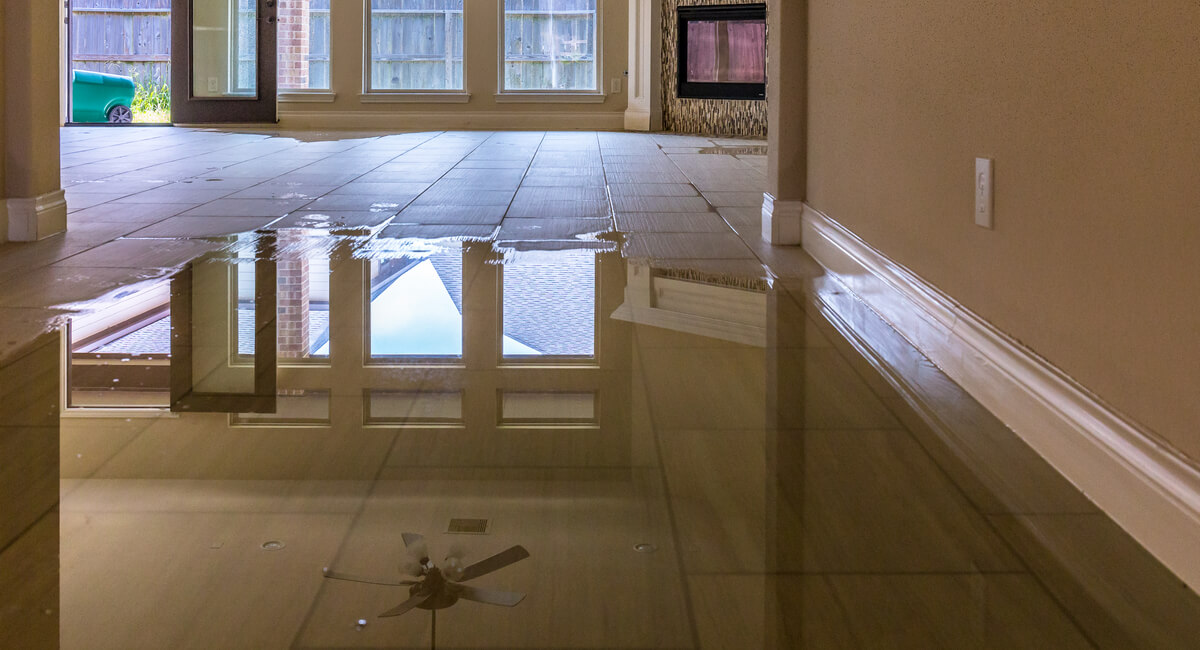
There are two components to a flood insurance policy: building coverage and contents coverage. Unlike a traditional homeowners insurance policy, when buying flood insurance, you must purchase building and contents coverage separately. Building coverage protects the home itself as well as the plumbing, electrical, and other major systems. It also usually covers appliances like your water heater, refrigerator, and dishwasher. Contents coverage protects your personal items, such as furniture, clothing, and electronics.
When purchasing flood insurance, you should read through the specifics of the building and contents coverage carefully. Policyholders sometimes face confusion about what items are covered under which policy. For example, most built-in appliances are protected by your building coverage, but your washer and dryer may be included in your contents coverage instead. Carpeting is another gray area. Permanently installed carpeting is usually covered under the building policy, but carpeting that was installed over wood flooring may be covered by your contents policy. You should always purchase both building and contents insurance so that you’re fully covered in the event of severe flooding.
For NFIP policies, the maximum coverage for building damage is $250,000, and the maximum coverage for contents is $100,000. Private policies may offer higher coverage limits, but you’ll face higher premiums and deductibles.
What Doesn’t Flood Insurance Cover?
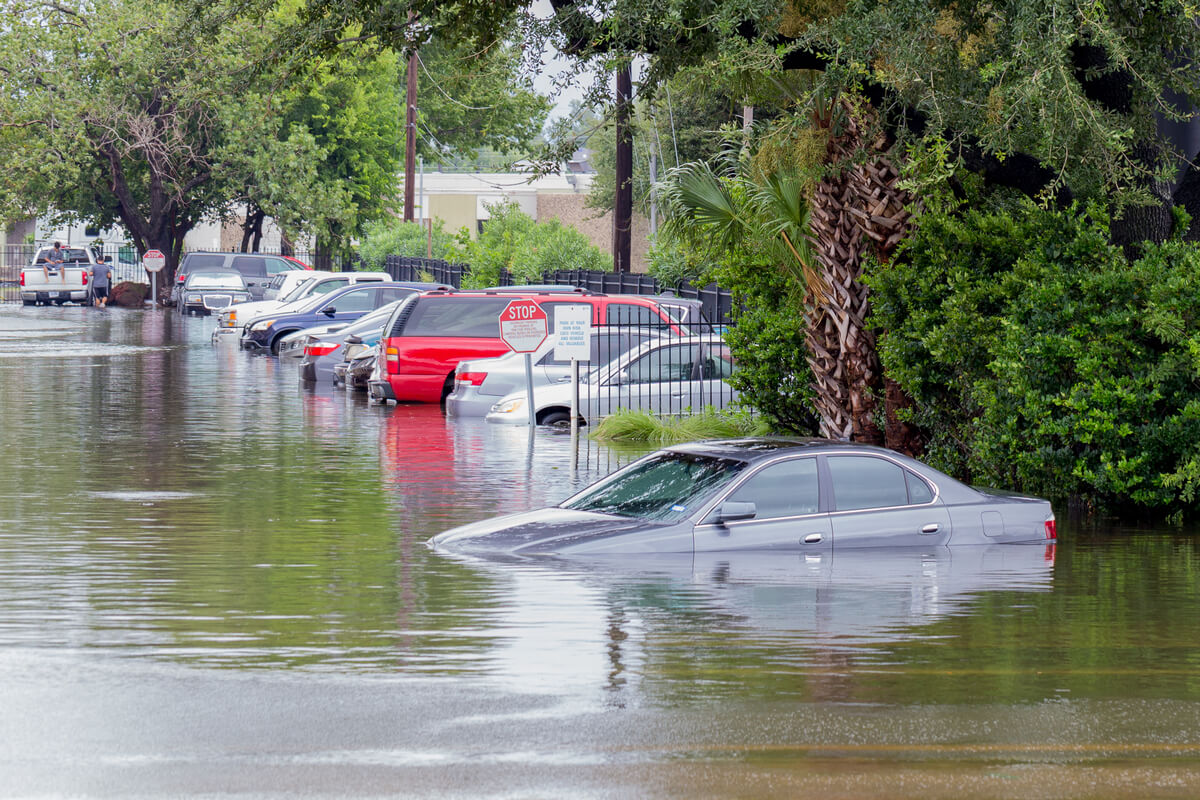
Flood insurance offers fairly broad coverage, but it doesn’t cover everything. Certain types of flooding, such as flooding from a sewer backup, may not be covered by your policy. Flood insurance also doesn’t cover the loss of cash, stock certificates, precious metals, or other currency. Your policy will not cover damage to your car, but a comprehensive auto insurance policy should cover flood damage.
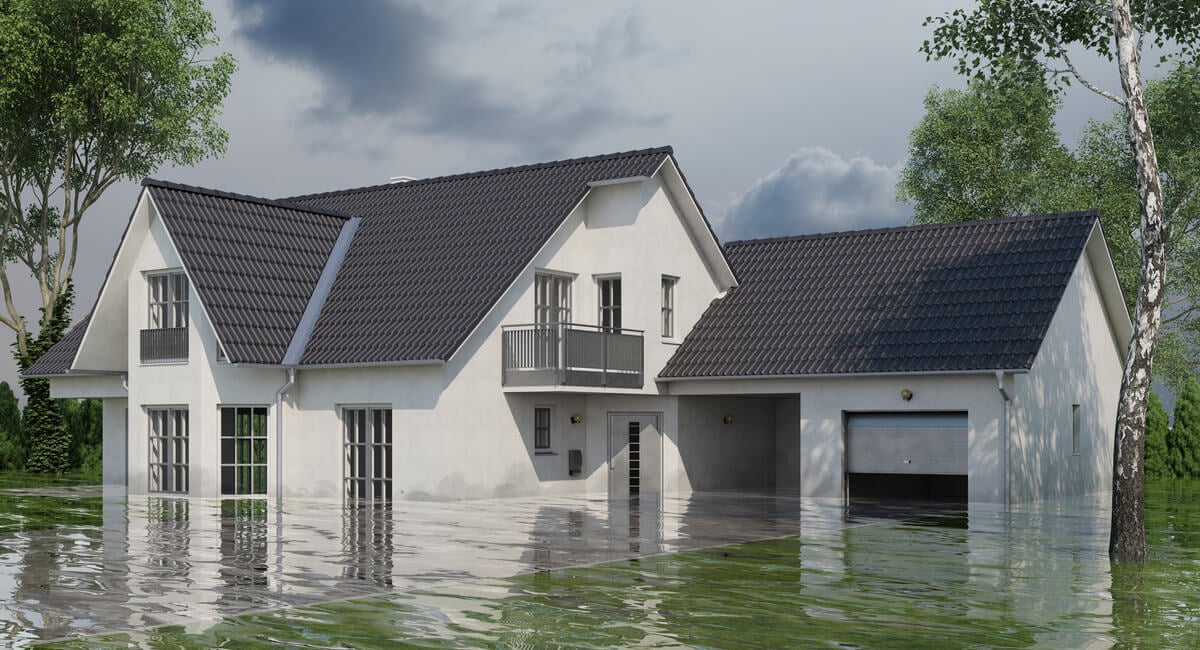
Flood policies only cover the home itself and its contents. Your policy won’t cover damage to a pool, patio, septic system, or other structures separate from your home. Additionally, it won’t cover damage to trees, fences, or other elements of your landscaping. Damage to the basement is another area where most flood insurance is lacking. Most policies do not cover furnished basements or belongings that you store in the basement. If you live in a high-risk area, you should store your valuable items on higher floors of your home.
While most traditional homeowners policies offer loss of use coverage, flood policies typically do not. This means that your policy will not cover a hotel stay if you have to vacate your home while it’s being repaired or rebuilt.
Flood Insurance Cost
On average, a flood insurance policy costs around $800 per year. However, costs can range from a few hundred dollars to over $10,000. The key determining factor is the risk of flooding in your location. FEMA creates flood zone maps that indicate the likelihood of flooding in every region throughout the United States. Your location on these maps will determine your insurance premiums and deductibles.
Factors that are specific to your property can make a difference, too. For example, if your home is on a hill, your premium may be lower. If your home is newly built, it probably has extra safeguards against flooding, which can result in lower premiums. Older homes are more vulnerable to flood damage, so they usually have higher insurance costs.
Should You Purchase Flood Insurance?
In some regions of the United States, purchasing flood insurance is essential. If you live in a flood zone, your mortgage lender may require you to obtain flood insurance before they approve your home loan. If you’ve previously received federal disaster assistance for flood damage, you need to have flood insurance to be considered for future aid.
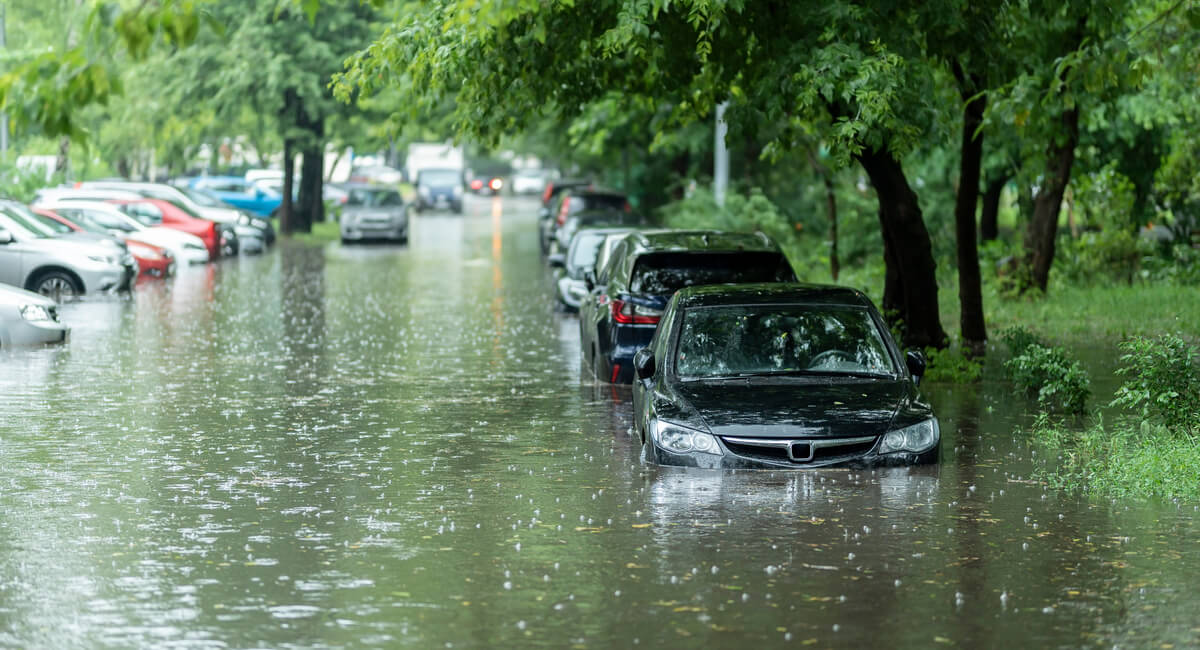
Even if no one requires you to purchase flood insurance, you should always have a flood policy if you live in a flood zone. One inch of water can result in $25,000 in damage. Flooding is incredibly unpredictable, and devastating storms are becoming increasingly common due to climate change. Carrying a flood policy is one of the best things you can do to protect yourself financially.
If you don’t live in a flood zone, it may be more difficult to decide whether or not to purchase flood insurance. However, premiums are fairly inexpensive, especially for those who live in low-risk areas. If you can afford the policy, it could be a great way to get extra protection and put your mind at ease. About 20% of flood insurance claims occur outside of high-risk areas. Without an insurance policy, you may have to apply for a FEMA grant or a federal disaster assistance loan in the event of a flood, both of which provide limited coverage.
Flood insurance is absolutely essential in some regions of the country, but it’s a wise investment no matter where you live. Your standard homeowners insurance policy doesn’t cover most forms of water damage. With a separate flood policy, you can protect your house and your belongings. You never know when disaster will strike, so you should start researching your coverage options as soon as possible.