
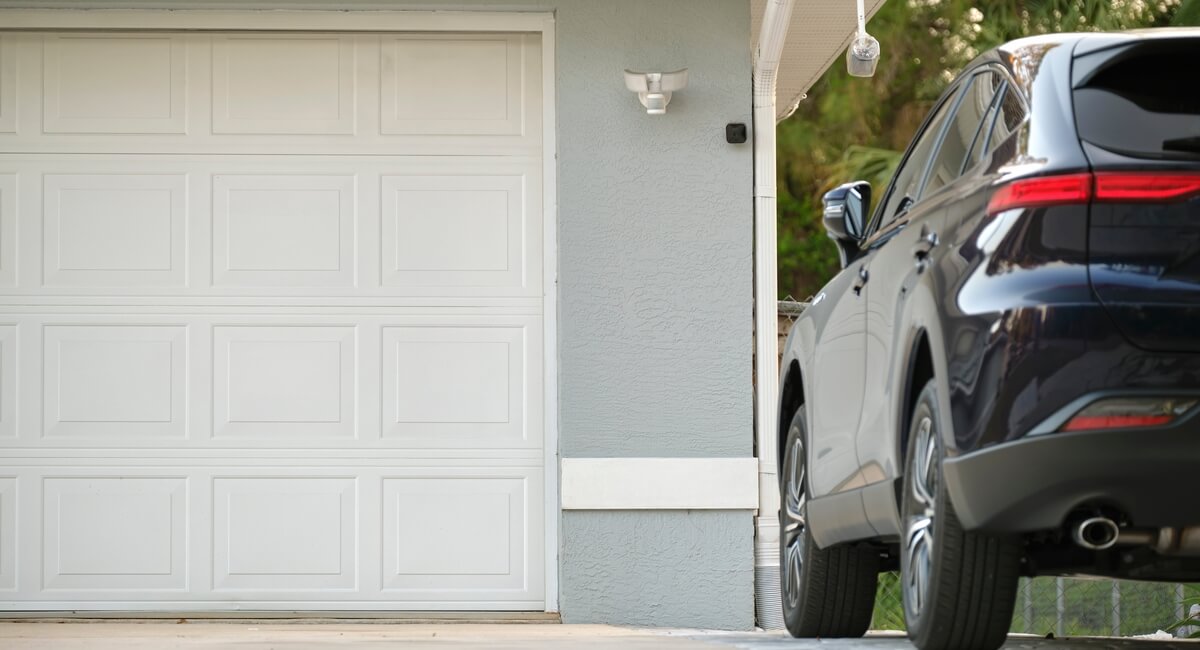
Your garage can serve many purposes beyond storage space for your vehicles. If you don’t have a car or prefer to keep your car in the driveway, you might wonder how best to use the area. Many homeowners have creatively converted their garages into apartments, studios, gyms, storage rooms, and other types of spaces. Some garage conversions are expensive projects, but others can be done on a tight budget. Here are nine possible uses for your garage:

1. Apartment for Family
A garage can become an excellent apartment for your aging parents, young adult children, or other family members. For many families, converting a garage to an in-law apartment is the perfect option for all involved. You can be close to your family while still having separate living spaces, and you could generate some rental income while offering your family an inexpensive place to live.
Converting a garage to an apartment is a big undertaking, and you need to seek permission from your local government to complete the project. All living spaces have to conform to local building regulations and safety codes. Fortunately, the conversion can greatly increase the value of your home, so you can get a return on your investment if you sell the property.
2. Long-term Rental
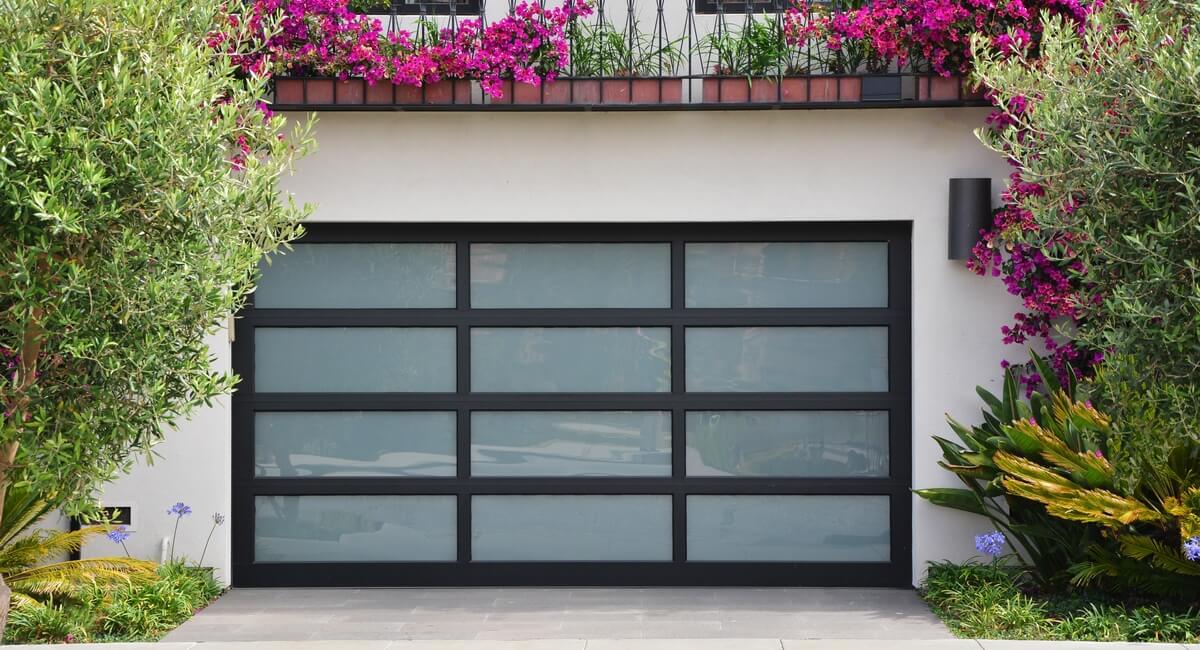
Instead of renting out your converted garage to family, you could rent to a tenant. This is a great way to generate extra income, and the rent payments can help you recoup some of the costs of the conversion. Keep in mind that you must get approval from your town government to convert your garage into a rental unit. You should also become familiar with rental laws in your city and state. Both landlords and tenants have important rights, and understanding these is essential if you want to abide by the law and maintain a good relationship with your renters.
3. Short-term Rental
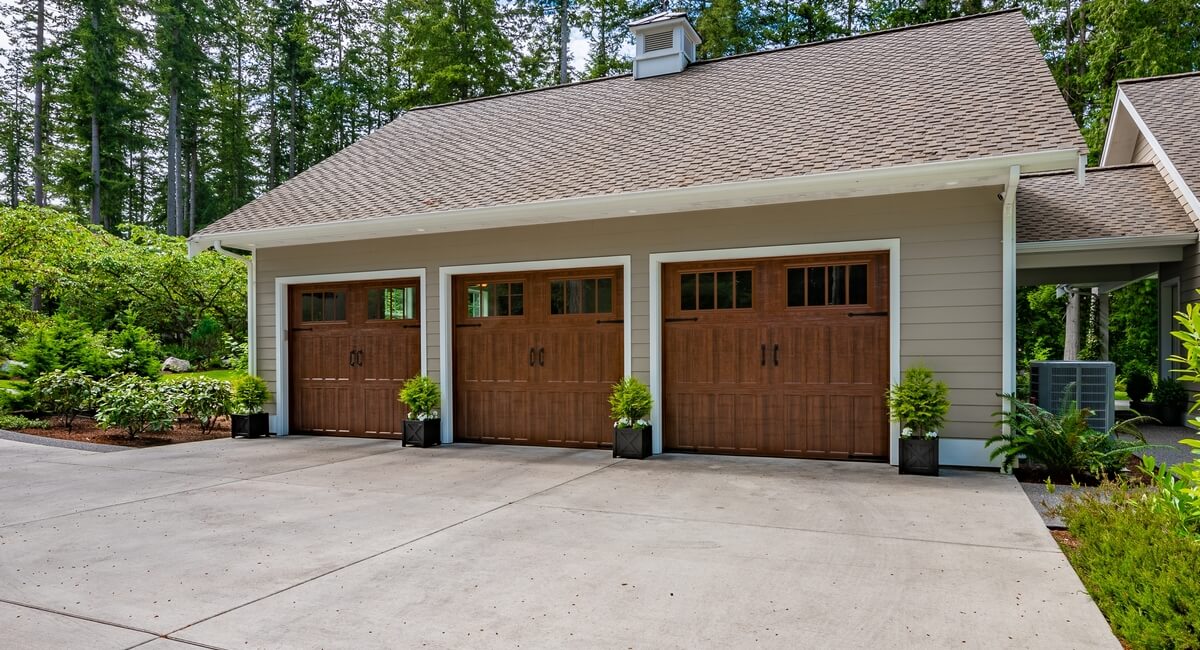
Short-term rentals have become incredibly popular in the last several years. If you live in or near a popular tourist destination, you can generate a lot of income by turning your garage into a short-term rental. As always, you should research local and state laws regarding rental properties so you avoid fines or penalties.
You should also keep in mind that managing a short-term rental can be much more time-consuming than finding a long-term tenant. When you operate a short-term rental unit, you have to clean and inspect the apartment every time your guests leave. Additionally, you have to market the property, communicate with prospective guests, and keep careful records of your earnings and expenses so that you report them accurately when you file your taxes.

4. Guest House
A guest house is another great use of a garage converted into a living space. While a guest house or room doesn’t generate income like a rental unit, it gives you a lot of freedom and flexibility when hosting. If you frequently have visitors from out of town, they’ll love the opportunity to stay in a private, spacious living area without having to book a hotel room or rent an Airbnb.
If you only use your converted garage to host family and friends on occasion, you don’t have to worry as much about local rental laws and building codes. The conversion still adds value to your house, though, so you can recoup some of your expenses when you sell it.

5. Home Office
If you don’t want to convert your garage into a fully functioning living space, turning it into a home office can be the perfect alternative. Garages make excellent home offices because they’re spacious, quiet, and separate from the rest of your house. Being able to work in an area that feels removed from the rest of the home can help you maintain a mental separation between your work time and your personal time.
You may need to add insulation and flooring to turn your garage into a comfortable home office. It’s also important that your Wi-Fi extends into the garage, so you may need to purchase an ethernet cord or a secondary router to get a strong enough internet connection.
6. Mudroom
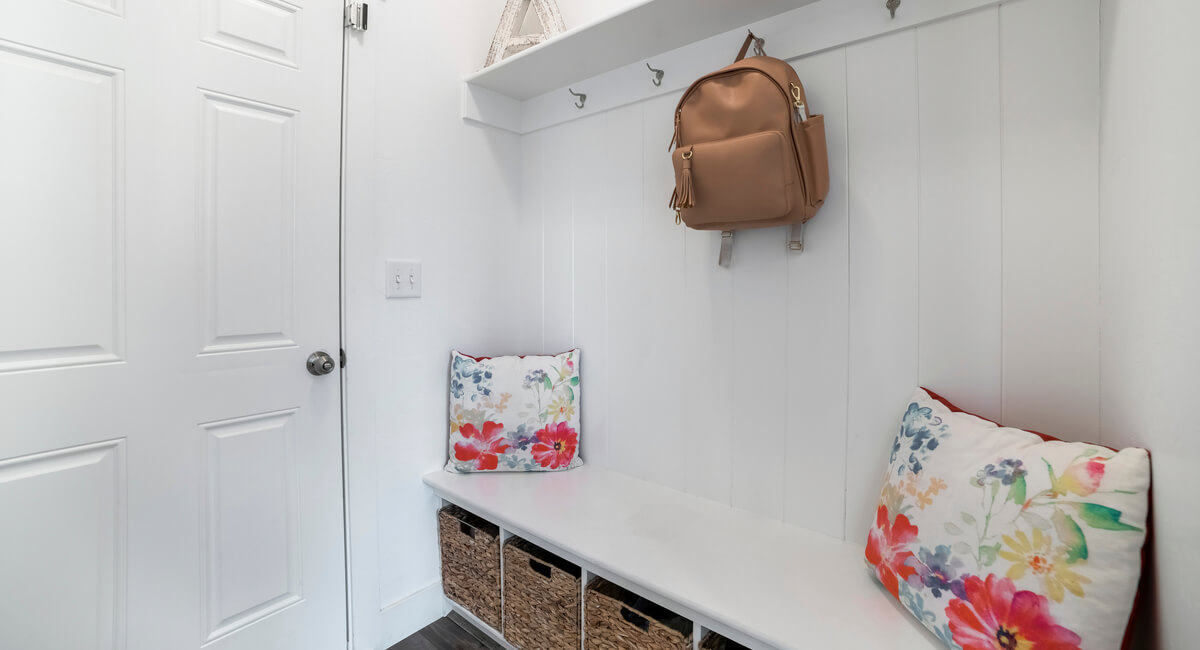
A mudroom is one of the simplest and easiest conversions for a garage. You don’t need to add flooring, build walls, or make any structural changes to the space to turn it into a functional mudroom. All you have to do is set up some shelves, cubbies, hooks, or other storage options. This will prevent your family members or guests from tracking dirt into your house, and it keeps the entryway to your home clear of shoes, bags, or other clutter. You can even get creative by making personalized nameplates for the shelves or cubbies.

7. Hobby Space
If you enjoy painting, crafting, woodworking, or other creative hobbies, your garage can become your studio space. These hobbies can be messy, so working on them in the garage instead of in your home may be helpful. Garages also offer plenty of wall storage space, which is great for hanging up tools, brushes, or other supplies. Your garage could make a good music studio or practice space, too. However, musical instruments can become damaged when stored in an uninsulated garage.

8. Entertainment Space
Your garage could become a gathering space if you enjoy hosting parties. To turn your garage into the perfect party room, add tables, couches, a mini-fridge, and speakers. You can make the space feel cozy and inviting by hanging up wallpaper or installing twinkling string lights. In the summer, you can open the garage door to create a combined indoor-outdoor space for your gatherings.
If you don’t often throw parties, you could instead turn your garage into a relaxing entertainment area just for yourself and your family. Comfortable couches, a big TV, a fridge, and a microwave could make your garage the perfect place for a movie marathon or game night.

9. Home Gym
A home gym is one of the most common and practical uses for a garage. Many people prefer to work out in the privacy of their own home, and investing in a home gym conversion can be a great motivator to stay active. Garages are spacious enough to hold a wide variety of equipment, and you can open the door for fresh air on warm days. You also don’t need to spend thousands of dollars on equipment for a successful home gym conversion. You can start with a bench and some dumbbells and gradually build up your collection.
There are countless uses for your garage if you don’t plan on storing a vehicle in it. You could invest in a big renovation project and turn your garage into a living space, or you could simply use it as an extra room for hobbies or storage. No matter your budget, your garage can absolutely become a valuable and functional space in your home.