

Selling your house is an exciting but stressful experience. Not only are you making a major financial transaction, but your whole life changes when you move. Although you should allow plenty of time for celebrating, you also have a long to-do list to complete between accepting an offer and closing on the sale. Here are 10 things you should do after you sell your home:

1. Contact a Moving Company
Once your home is under contract, it’s time to focus your energy on your upcoming move. Houses are typically under contract for one to two months, and packing and preparing for a move takes at least this long. If you don’t already have moving plans in place, it’s time to start contacting movers.
Some homeowners decide to handle their move themselves without the help of a moving company. This can be a good way to save money, but it also creates additional stress as you prepare to close on the sale. If you choose to hire movers, research and interview several companies in your area to find one that’s right for you.
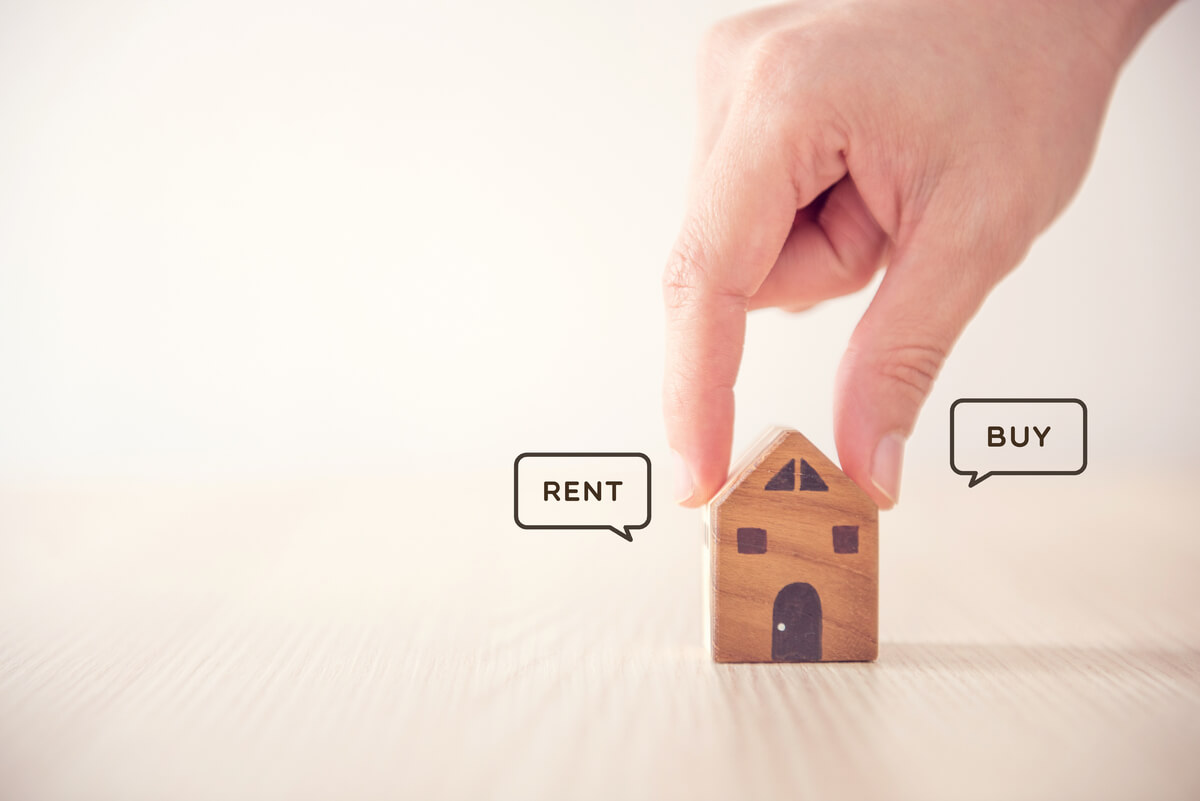
2. Choose Whether to Rent or Buy
Timing the sale of your current house with the purchase of a new one can be tricky. The proceeds from your sale will make a great down payment, but homeowners sometimes struggle to find a new house before their closing date. If you don’t have a new home lined up, consider renting for a short period of time. This will give you some flexibility so that you don’t have to scramble to find a new home.

3. Keep All Documents Organized
Selling your home involves a massive amount of paperwork. Losing documents is a major inconvenience and could even delay your closing date. After you’ve accepted an offer, keep careful track of all the paperwork that comes your way. Even if you don’t think you’ll need a document in the future, store it in your file box just in case.
It’s best to keep the paperwork after closing, too. Selling your home usually has tax implications, so you’ll want a detailed record of the expenses and profits when you file the following year.
4. Send Change of Address Notes
You’ll need to notify any people or organizations that send you paper mail of your address change. A few weeks before you close, notify the post office so that they can forward your mail. In the weeks leading up to closing, pay careful attention to the mail you receive so that you don’t forget any change-of-address notices. The following are some key entities to contact:
Doctors
Employer
Bank
Loan issuers
Insurance providers
Magazines and subscriptions
DMV
IRS
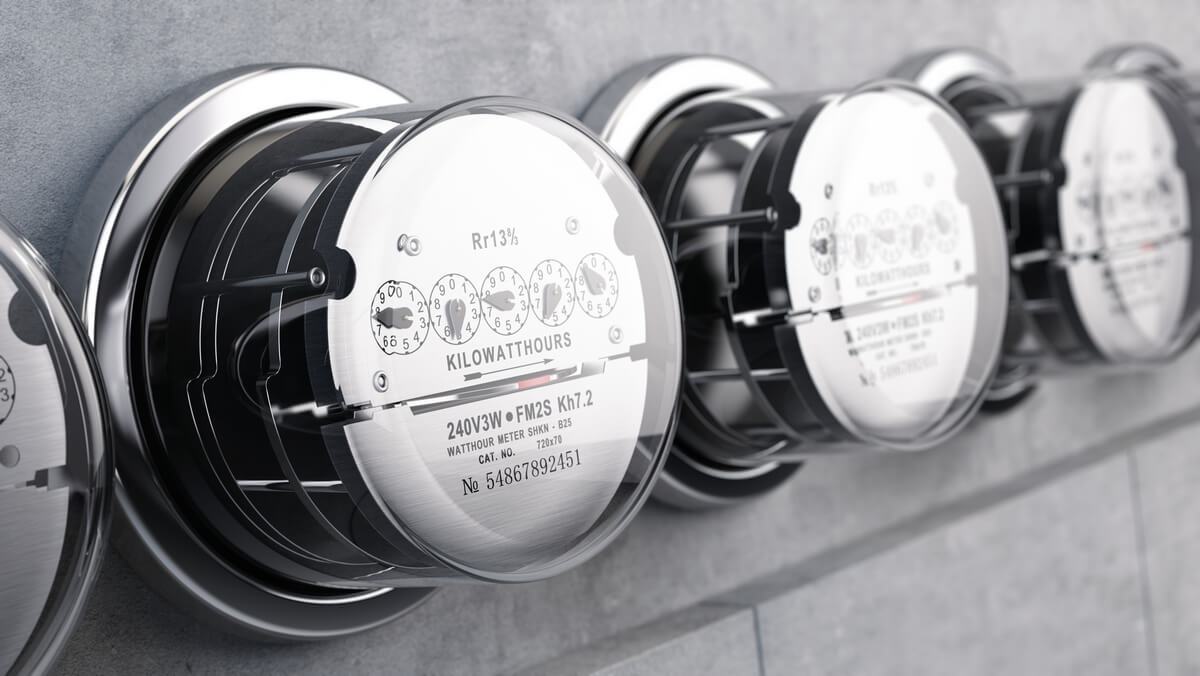
5. Turn Off the Utilities
The utilities should be turned off with your name removed from the account the day after you close on the sale. If you shut them off on the day of the sale, you might run into issues during the final walk-through.
Utilities aren’t always paid monthly, so you may have to make an additional payment after you move. Keep an eye out for forwarded mail from your old utility provider, or log into your online payment portal regularly to check for upcoming charges. In some cases, utility companies allow homeowners to transfer existing balances to their new home. If you’ve paid in advance for something, ask your utility company if you can transfer the payment or be refunded.
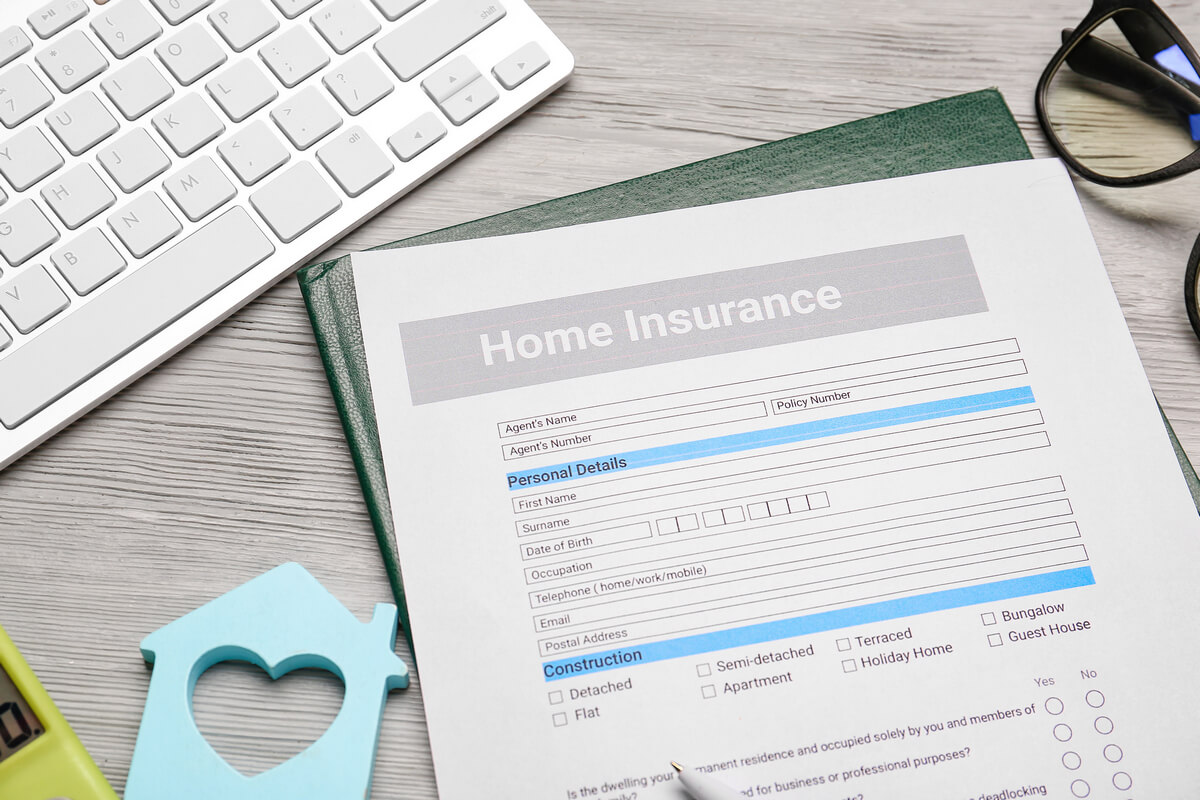
6. Cancel Your Insurance
There’s no need to pay insurance on a home that you no longer own. However, you should wait to cancel your insurance until you’ve officially closed on the sale. You never know when an issue could arise, and keeping your insurance until the very last day ensures that you’re covered. Your insurance provider should offer a refund of any prepaid premiums.

7. Carefully Read Through the Settlement
After closing, you and your real estate agent should read through the settlement statement and all other closing documents. Poring over the paperwork can be tedious, but even small mistakes in the documentation could create a problem in the future. If you have any questions or concerns about the settlement statement, consult a lawyer.

8. Put the Proceeds in a Money Market Fund
Unless you’re immediately putting the proceeds from your home sale into a new down payment, you need to find a secure place to keep the funds. If you’re planning to purchase a new home in the near future, a money market mutual fund may be your best option.
Money market accounts are considered to be highly safe and secure, especially compared to the volatile stock market. They also accrue more interest than a traditional checking or savings account. You can access your money daily, too, so pulling from the fund for a down payment is quick and easy.

9. Consult an Accountant
Selling your house may affect your taxes, so consulting with an accountant or trusted financial professional is essential. Tax laws change fairly regularly, so you need to make sure you’re up-to-date on the latest regulations.
Most homeowners don’t have to pay capital gains tax when they sell their primary residence. Single homeowners can exclude up to $250,000 on the profits of the sale, and married couples can exclude $500,000. For instance, if you bought your home for $300,000 and sold it for $400,000, you would not need to pay capital gains tax. You might be able to take other deductions as well, though, which is why consulting with an expert is so important.

10. Recalibrate Your Budget
Your mortgage is probably your most significant monthly payment, so your finances may change dramatically when you move. Additionally, your budget could change if you move to a new location with a higher or lower cost of living. After you sell your home, carefully review your budget to see what expenses have changed and how you can accommodate for any increases.
Preparing for your home sale is a lengthy process, but being proactive is key. As soon as the home is under contract, it’s time to get ready to move. Keep all your documents organized, be mindful of your finances, and be sure to sever all ties with the house after closing. Then, you can look forward to the future with peace of mind.