
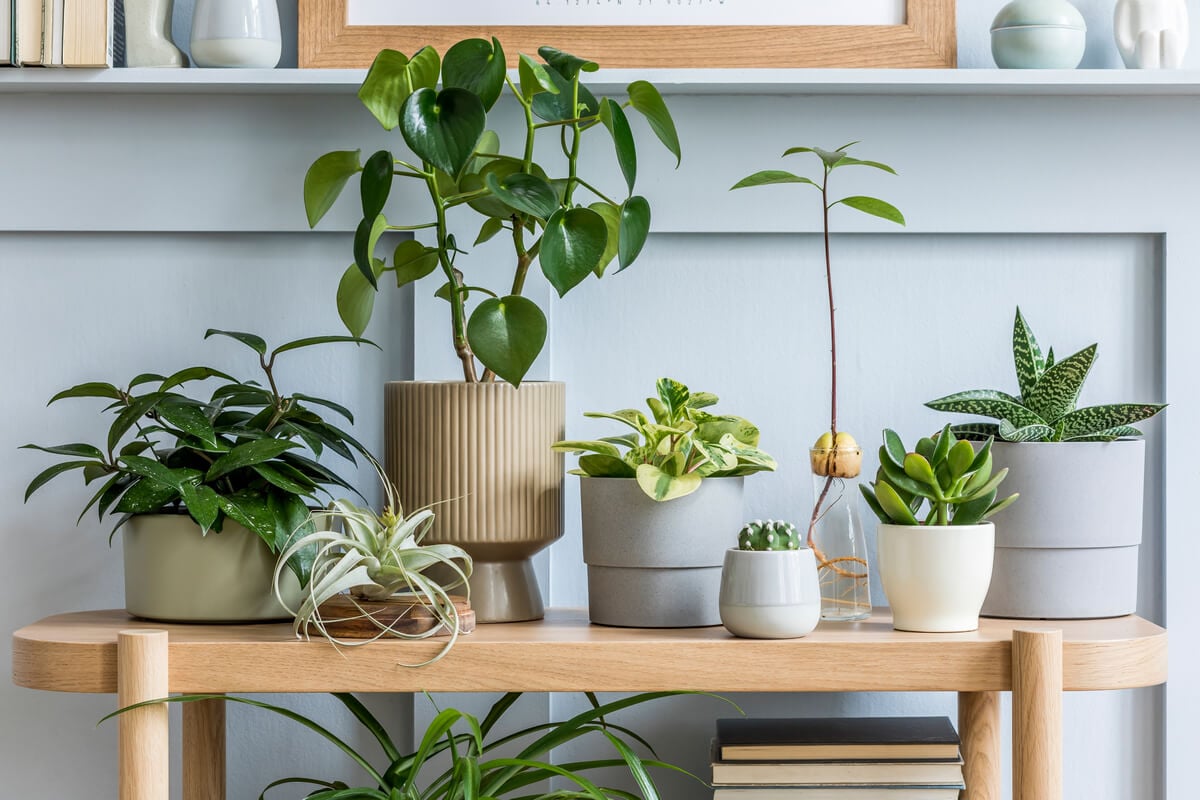
House plants are the perfect decor for practically any home. They provide color and life to your living space and can even help purify the air. Taking good care of your plants can be tricky, though. While some houseplants can survive for months without any attention, others are much more finicky.
All house plants have different ideal conditions, so researching how to care for your specific plants will be helpful. However, there are some key tips to keep in mind that apply to all plants. Here are 10 suggestions for maintaining your indoor plants:
1. Buy From a Trustworthy Source
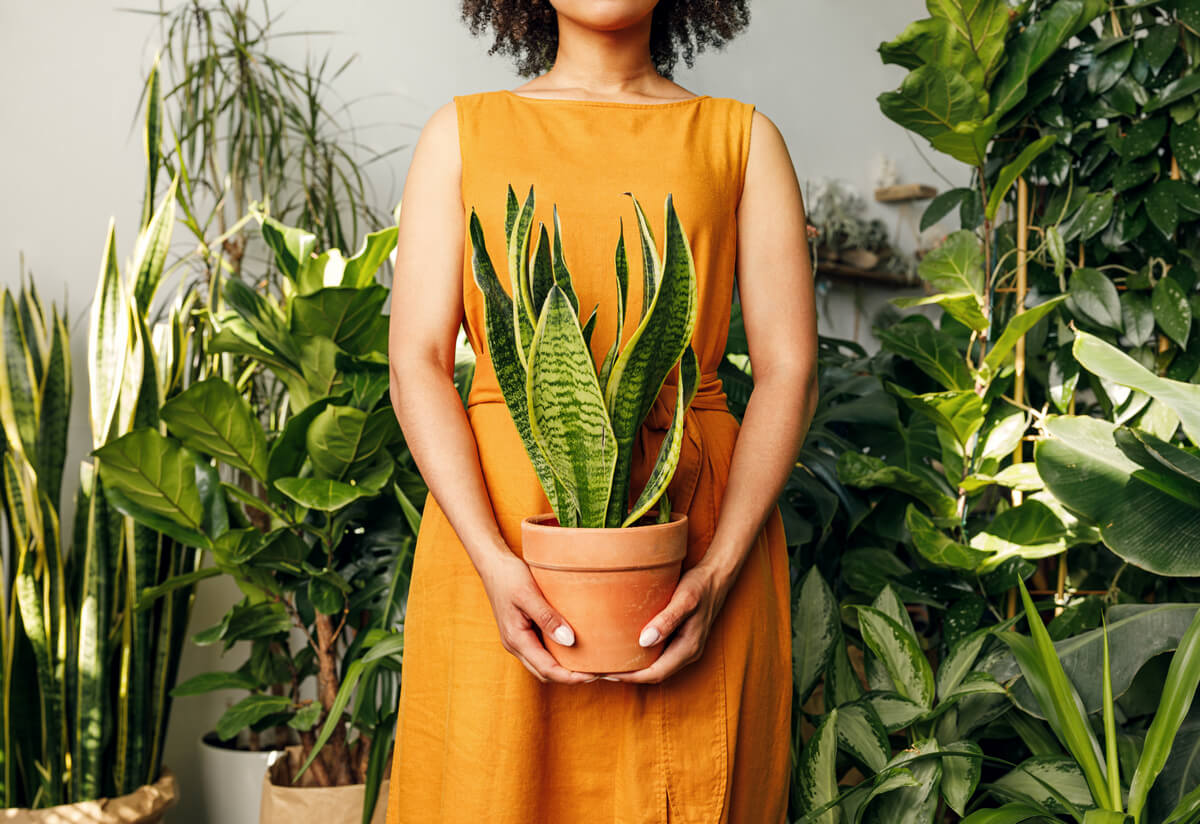
Buying high-quality plants is especially important if you’re new to indoor gardening. When you have a lot of experience caring for plants, you can probably help plants from department stores or supermarkets thrive. If you’re still learning, though, you should look for indoor plants that are already in great condition. Plants from department stores are often kept in dark warehouses and are completely uncared for. Your local garden store, on the other hand, will likely offer high-quality plants.
2. Find the Correct Lighting Conditions
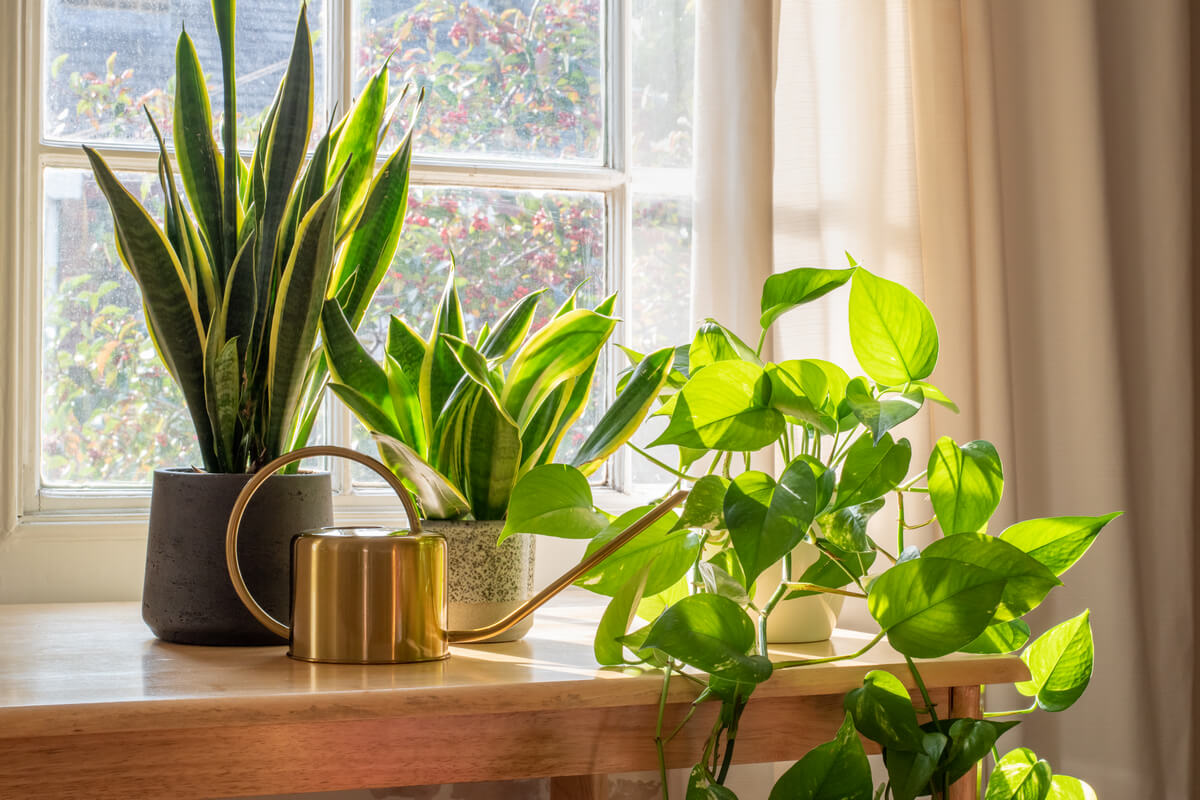
Light may be the most important factor when caring for indoor plants. Some plants thrive in direct, bright sunlight. Others need only low or medium light to grow. Understanding the lighting situation in your home will help you arrange your plants in the most effective way.
South-facing windows tend to offer the brightest light, and east-facing and west-facing windows tend to offer gentler and more indirect light. Determine what direction your windows face, and shop for plants that are suited to those environments. If a plant gets too much light, it may start to turn dull and yellow. If it doesn’t have enough light, it can get leggy.

3. Avoid Overwatering
Many homeowners are eager to water their plants because they want to provide plenty of care. Overwatering can quickly backfire, though. In fact, it’s almost always better to underwater your plants than to overwater them. Too much moisture can cause root disease and other issues.
Instead of following a watering schedule, you should simply water your plants as they need it. When the top 2 inches of the soil are dry, it’s time for some water. The amount you should water your plants also changes throughout the year. Plants typically need more water in the spring and summer while they’re growing than they do in the winter.
4. Use Quality Potting Soil
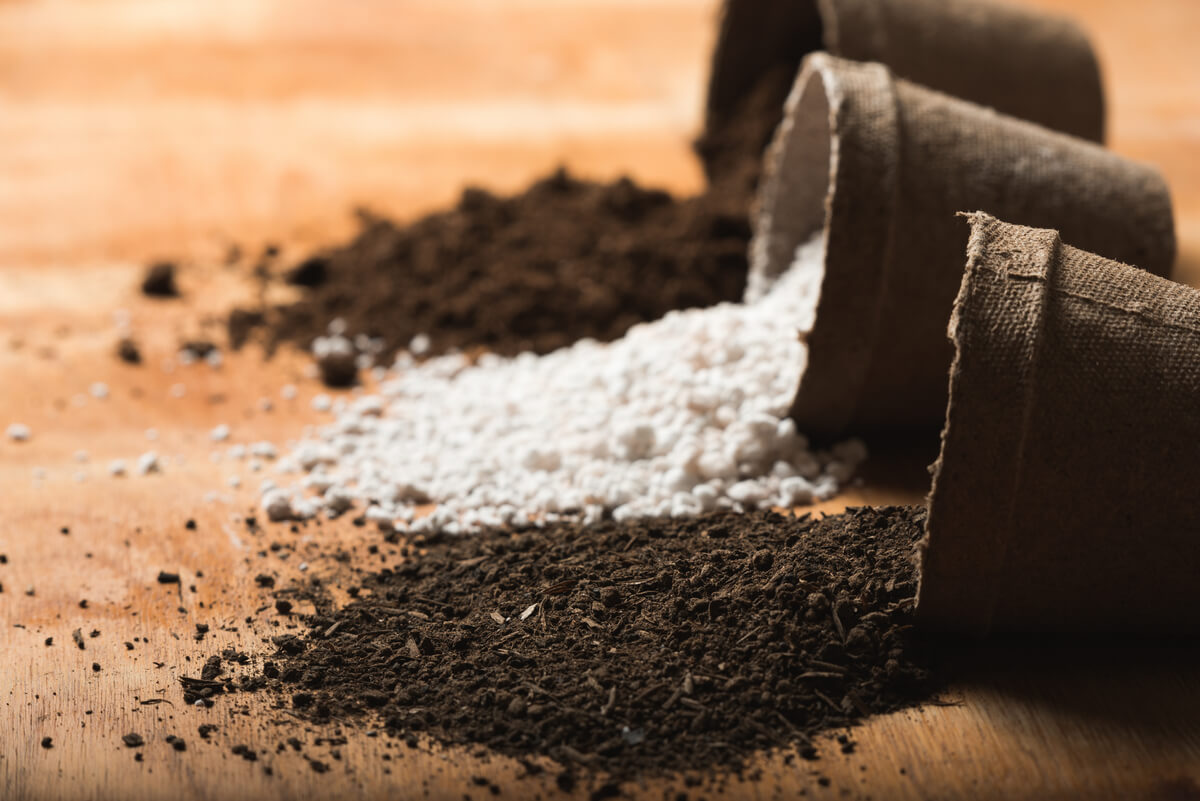
One of the biggest mistakes homeowners make is using regular garden soil for indoor plants. House plants have much different nutrient needs than garden plants, so using potting soil is vital. Different types of potting soil are ideal for different plants, so you can research recommendations for your specific house plants or ask the experts at your local garden center.
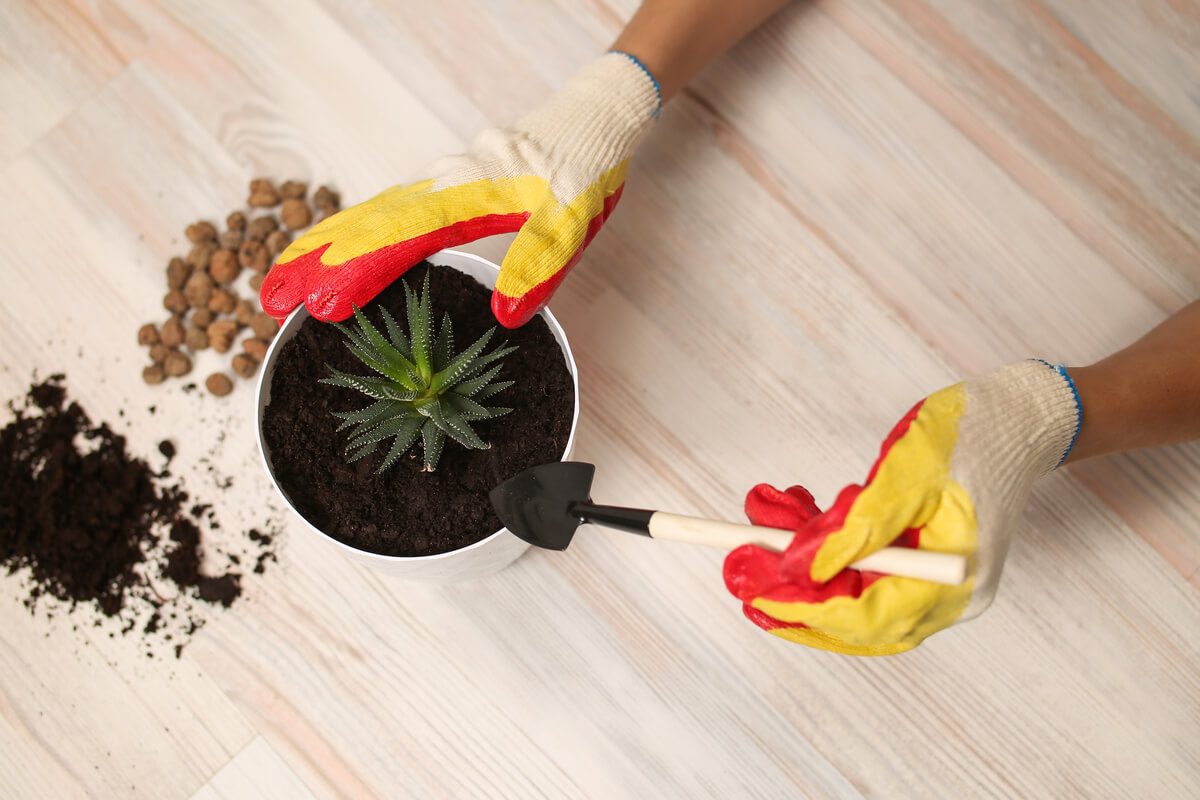
5. Ensure Drainage
House plants need a way to drain excess water. Too much water in the soil can lead to root rot, and a lack of drainage can also cause salt buildup. If possible, use pots with a drainage hole and saucepan. You could also add some rocks to the bottom of the pot so that excess water can drain into the crevices.
6. Fertilize Sparingly
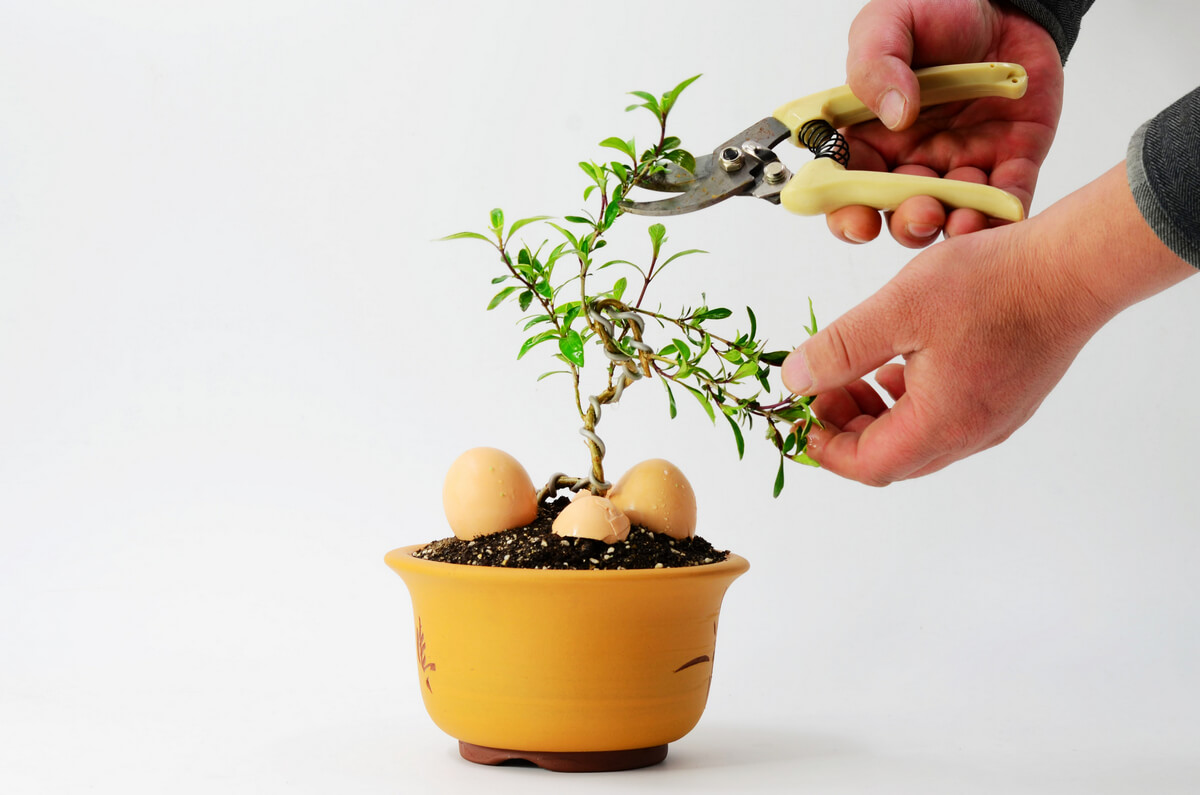
Just like water, too much fertilizer can be harmful to indoor plants. House plants usually don’t need as much fertilizer as outdoor plants, so you should use it sparingly. Some people never fertilize their indoor plants but still see them grow significantly. Most fertilizers need to be heavily diluted with water, too.
You also shouldn’t fertilize house plants year-round. It’s best to use fertilizer during the growing season, which occurs from spring to early fall. Fertilizing during the winter is not necessary because most houseplants will not grow in the dormant season.
7. Increase Humidity
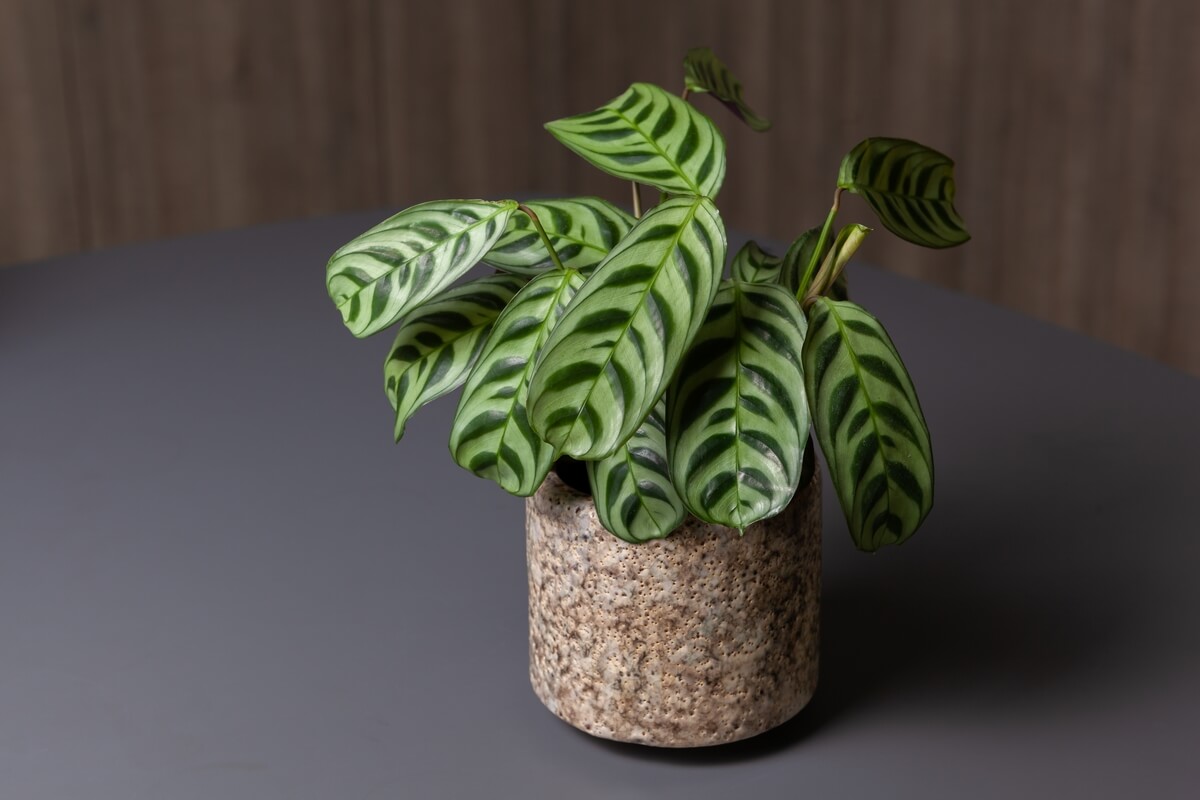
Humidity is great for houseplants. Indoor spaces tend to be dry and drafty, so you may have to increase the humidity in your home for your plants to thrive. You could invest in a humidifier, or you could place your plants on trays filled with pebbles and water.
The placement of your house plants is also an important factor. Keep plants away from heating vents as these areas can become too hot or dry, and remove plants from drafty windows. Kitchens and bathrooms tend to be naturally humid, so they may be perfect locations for your plants as long as there’s enough light.
8. Stabilize Temperatures
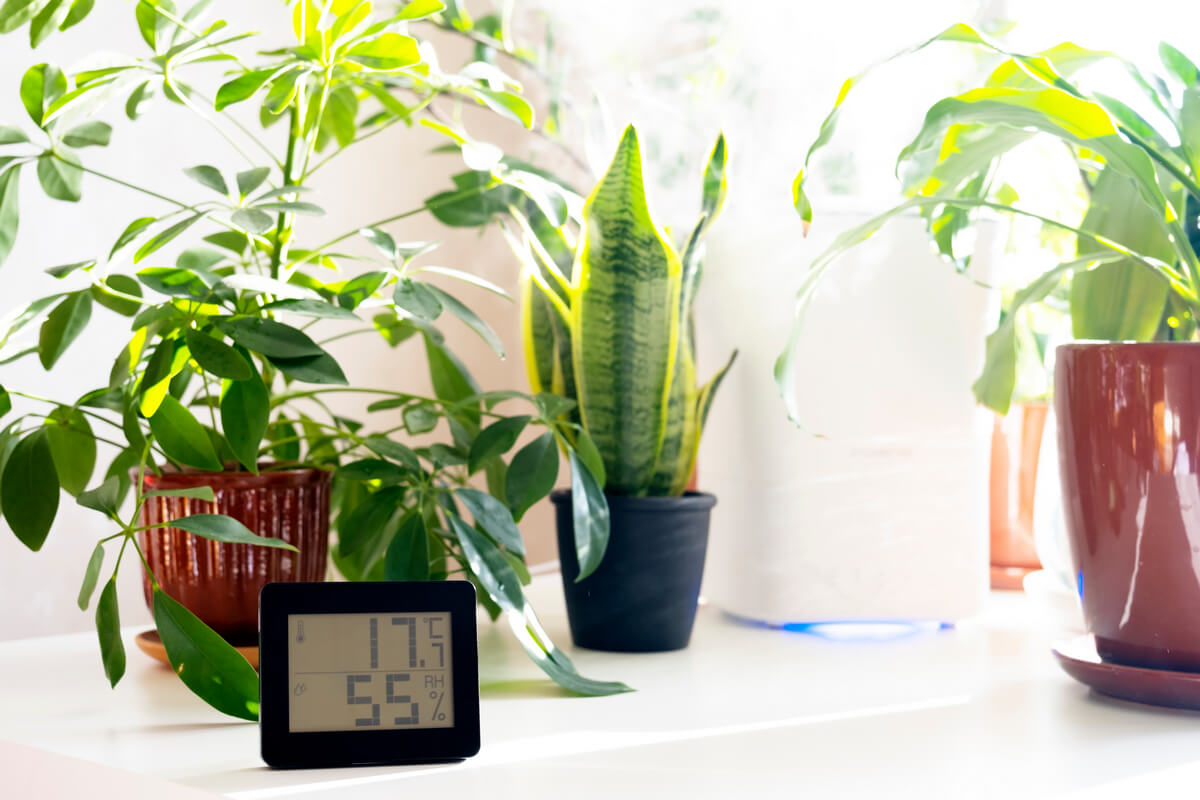
Extreme temperatures in either direction can be harmful to house plants. Dramatic fluctuations in temperature are dangerous, too. Keep your thermostat set between 65 and 85 degrees, and keep your plants away from heating vents, AC units, or any other systems that could cause drafts.
9. Keep the Leaves Clean
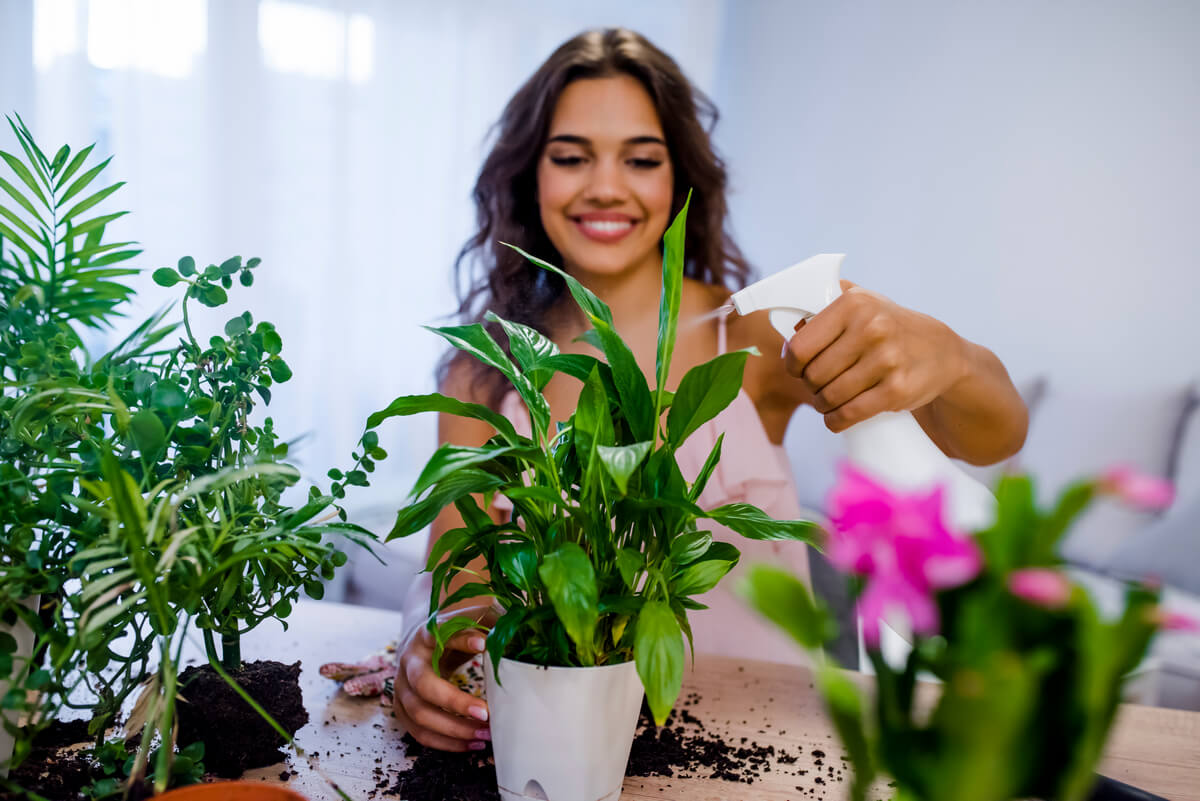
Many people believe that misting indoor plants with water can increase humidity. In reality, misting the leaves does little or nothing for humidity because it only has a temporary effect. However, it does help to keep the leaves clean. When dust collects on the foliage, your plants may not get adequate light. Misting the leaves with a spray bottle, gently rinsing them in the sink, or wiping them down with a damp towel will help them stay clean and fresh.
10. Repot When Necessary
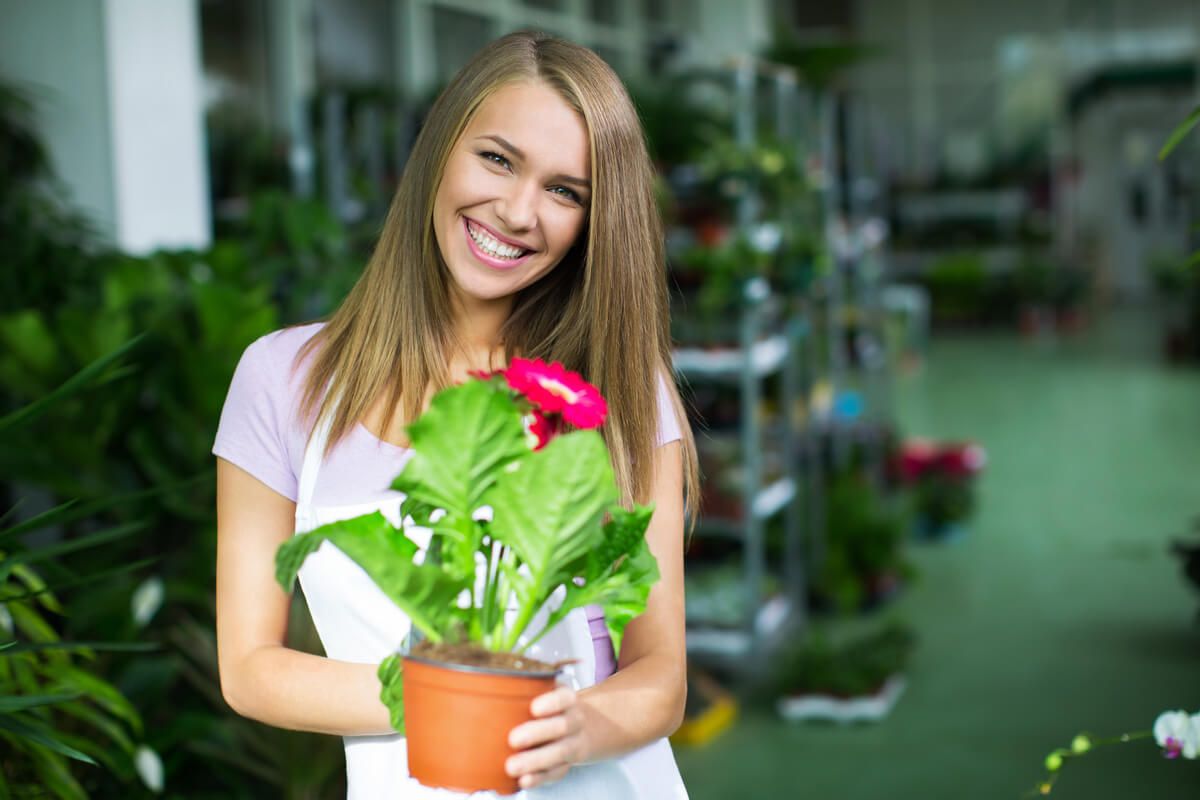
Your house plants may eventually outgrow their pot. When the roots become too extensive for the space they’re in, they’ll start to ball up and constrict themselves. At this point, it’s time to move your plant into a larger pot. In most cases, a pot that’s 1 to 3 inches bigger than the current one will be a perfect size. Avoid repotting into too large of a container as that could result in overwatering.
House plants can make a beautiful addition to your home, but they need the correct care to look their best. To keep your plants in great condition, use high-quality gardening materials and avoid extremes with water, fertilizer, and temperature. As you continue to improve your gardening skills, you’ll see your plants get more and more vibrant.